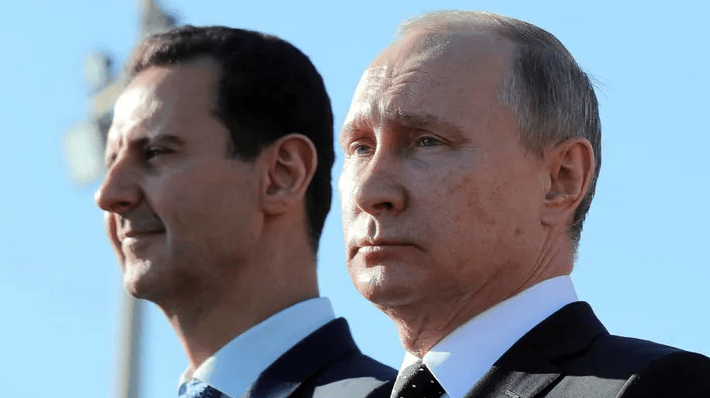
Losing Bahsar al-Assad is a strategic ‘defeat for Russia,’ deals ‘devastating blow to Iranians,’ says expert
Published December 9, 2024 6:12am EST

The stunning collapse of Bashar al-Assad’s regime in Syria has sent shock waves throughout the region and beyond, marking a dramatic turning point after nearly 14 years of civil war. Assad’s rule, long sustained by Russia and Iran, has come to an end, leaving his former patrons scrambling to manage the fallout. The implications for these two powers, as well as for the broader regional and global landscape, are profound.
Russia’s involvement in Syria was never just about Assad, experts say. Securing a foothold in the Middle East was a cornerstone of Moscow’s strategy, with the Khmeimim Air Base and Tartus naval facility serving as vital assets for projecting power. However, with Assad now gone, Russia’s assets in Syria are at risk.
Rebekah Koffler, strategic military intelligence analyst and author of “Putin’s Playbook,” emphasized the significance. “Syria has been a key theater in the broader proxy conflict between Russia and the U.S. losing Assad represents a strategic defeat for Russia, costing them critical bases in the Middle East and further stretching their military resources as they continue fighting in Ukraine.”
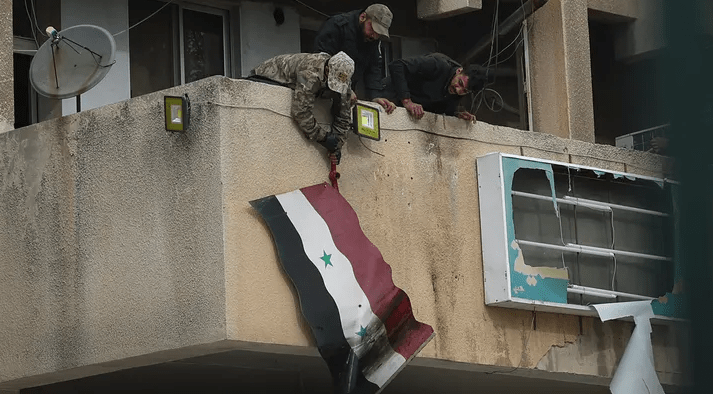
Ksenia Svetlova, a senior non-resident fellow at the Atlantic Council, described the fallout as, “Russia has been exposed for what it really is- a power that overpromises but underdelivers. They came to Syria with grand ambitions, but apart from helping Assad survive through joint efforts with Iran and Hezbollah, they achieved little. The post-war reconstruction never began, and with Russia now focused on Ukraine, Syria became a secondary priority. Now, Russia has abandoned Assad, revealing itself as an unreliable partner.”
She said this failure sends a message to Moscow’s allies. “In the Middle East, Russia now looks weak compared to the United States. Syrians are stunned that Moscow left ‘Baby Assad,’ as the regime opponents call him, to collapse, while the U.S. has demonstrated strength by standing firmly with Israel in its time of need.”
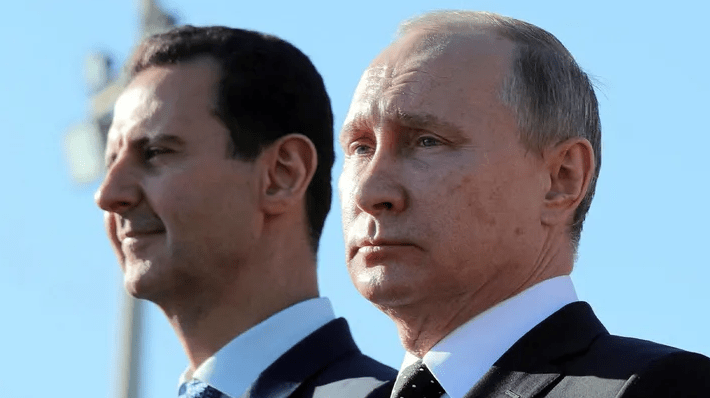
The fall of Assad highlights Syria’s role as a battleground in the U.S.- Russia proxy war, as Koffler explained. “Before Assad’s fall, President Trump reportedly called Putin to de-escalate tensions, but instead, Putin doubled down by escalating his nuclear doctrine, signaling a refusal to back down. Now that Assad, one of Putin’s key allies, has lost Syria, the balance of power shifts dramatically. With this loss, Trump may have newfound leverage over Putin, as losing Syria undermines Russia’s influence in the region and strains its already overstretched resources. This could open a path for Trump to negotiate the end of the war in Ukraine from a stronger position, leveraging Putin’s setbacks in Syria.”


 The Tower Post