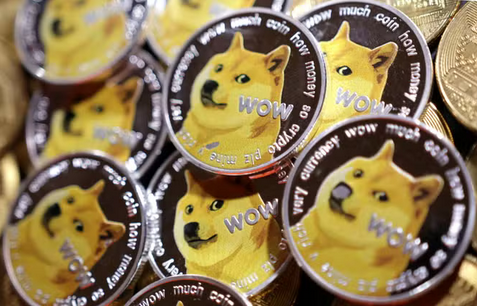
Created in 2013 to parody bitcoin, dogecoin has thrived on Elon Musk’s unconditional support. The election of Donald Trump has recently amplified the phenomenon, despite doubts about its economic utility.
By Marc Angrand
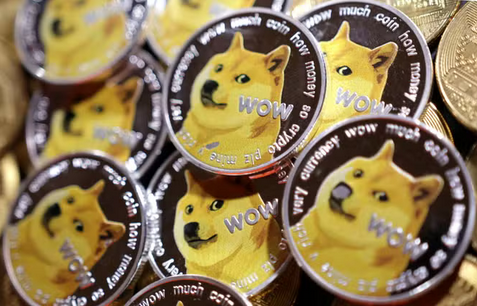
Will Elon Musk celebrate the 11th anniversary of dogecoin on Friday, December 6, with an enthusiastic message on X, the social media platform he has owned since 2022? If he does, the CEO of Tesla and SpaceX could well trigger a further rise in the price of this cryptocurrency, which Donald Trump’s victory in the November 5 presidential election has propelled to a total capitalization of over $66 billion.
Now one of the world’s top 10 cryptoassets, though it’s still a long way from bitcoin’s $2 trillion, dogecoin had few advantages to offer when it was created in 2013. At the time, its creators, Billy Markus, an engineer at IBM, and Jackson Palmer, a marketing specialist at the software company Adobe, had no ambition other than to parody cryptocurrencies in general and bitcoin in particular, while promoting “a currency for the people” that was easy to use.
This simplicity would become one of the strengths of dogecoin, renowned for the ease and speed of transactions, making it a popular instrument for rewarding online content producers, especially as the transaction fees are lower than bitcoin’s.




 The Tower Post