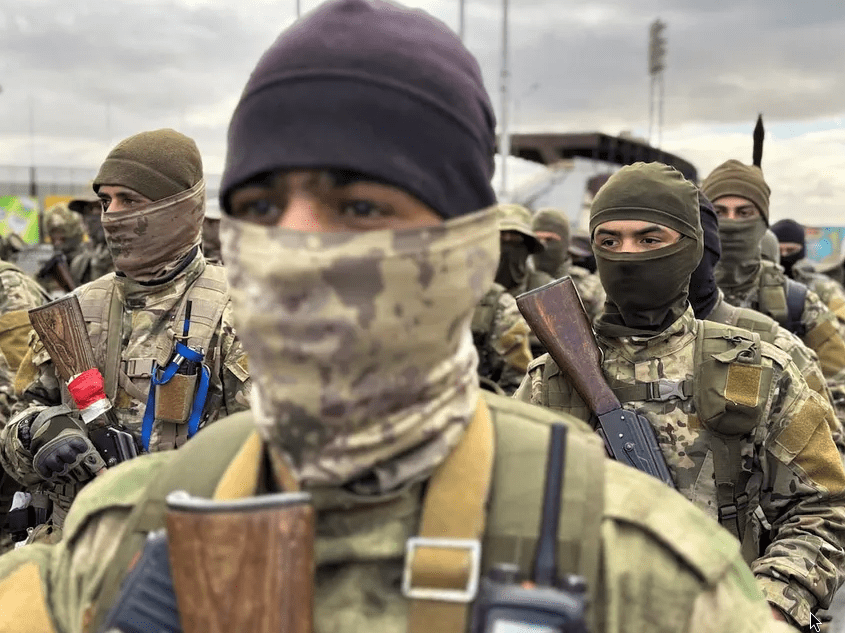
Threats, concerns and a new campaign against China.
Analysis
By Li Bai
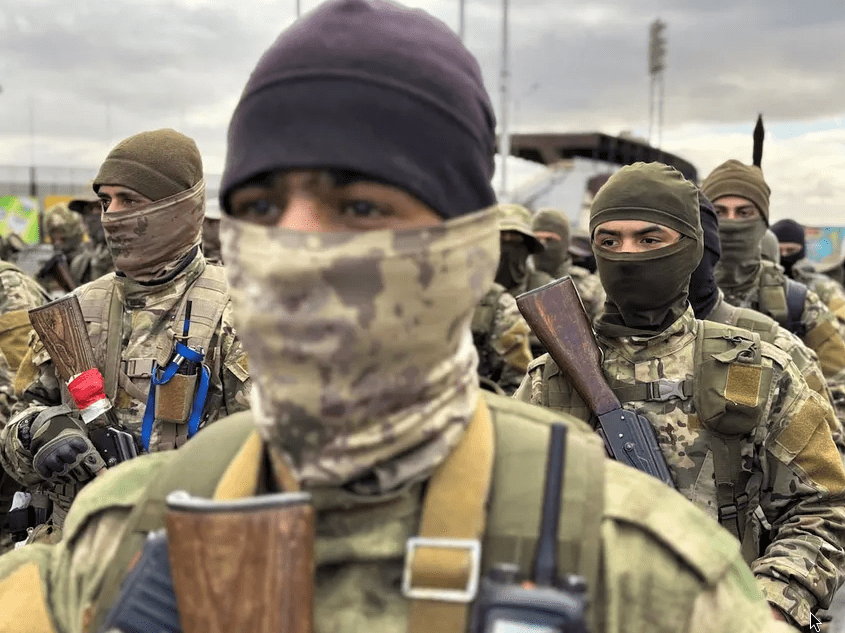
The issue of Uyghur foreign fighters in Syria, particularly their nomination or recognition by a government, is a highly complex geopolitical matter involving multiple layers of ethnic, religious, and international politics. Let’s break it down into key considerations:
Uyghur Foreign Fighters in Syria
Uyghur fighters, often associated with the Turkistan Islamic Party (TIP), have been active in Syria since the early stages of the civil war. These fighters primarily migrated from Xinjiang (East Turkestan) and other regions, driven by the Chinese government’s policies in Xinjiang, which they view as repressive. Many joined Islamist groups in Syria to fight alongside opposition forces against the Assad regime. Their presence in Syria has also been a point of contention in Chinese-Turkish relations, as well as in broader global counter-terrorism discussions.
Nomination by the Syrian Government
The nominee of Uyghur foreign fighters, one general and two colonels, from the new Syrian government could signify:
Leverage against China:
This could be a strategic move to pressure or send a message to China, as Beijing is highly sensitive to Uyghur separatism and extremism. Recognition might also serve to highlight China’s repression of Uyghurs in Xinjiang.
Attempt to integrate former fighters:
If the Syrian government aims to stabilize the country, they may try to integrate foreign fighters into a political framework or redirect their activities to avoid prolonged insurgencies within Syria.
Proxy or alignment:
The recognition could also reflect alignment with Turkish regional powers that have supported Uyghur groups as proxies in the Syrian conflict.
Implications for East Turkestan Independence
Uyghur Fighters’ Stance:
Many Uyghur fighters (estimated into 5.500 foreign fighters) see their struggle in Syria as part of a broader jihad against oppression, which they connect to their vision for an independent East Turkestan (Xinjiang). Their ultimate goal is, at least, to challenge Chinese rule in Xinjiang, which they view as colonization and repression.
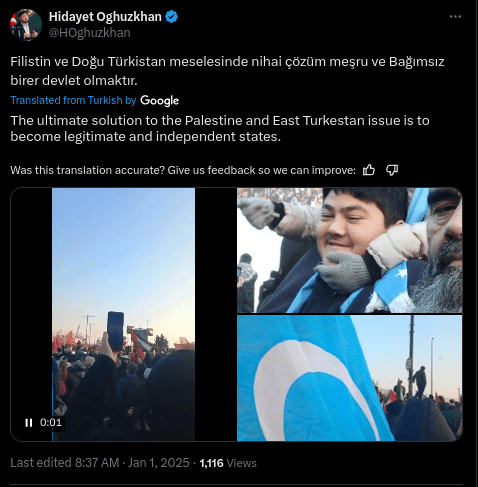
President of the East Turkestan Education Movement/International East Turkestan NGOs Union.
(X-Twitter)
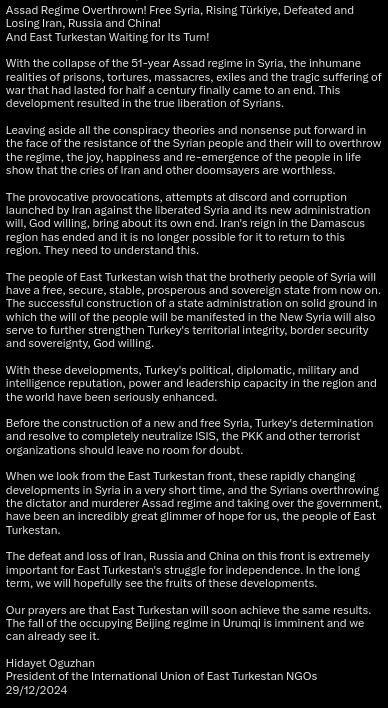
President of the East Turkestan Education Movement/International East Turkestan NGOs Union.
(X-Twitter)
China’s Reaction:
Beijing would perceive any formal acknowledgment or empowerment of Uyghur fighters as a direct threat. China has long been concerned about the potential for Uyghur militancy to spill over into Xinjiang and has worked to suppress any separatist movement there. This could lead to heightened Chinese targeted actions to neutralize Uyghur fighters abroad.
Regional Impacts:
Any movement toward East Turkestan independence, even symbolic, could strain China’s relations with Turkey and Central Asian countries, many of which have Uyghur populations or historical ties to the region.
Formation of a Local Uyghur Government
Uyghur groups or leaders associated with fighters in Syria may seek to establish enclaves or official East Turkestan governance structures such as a Government in Exile physically based in Damasco. This would depend on the support of Turkey.
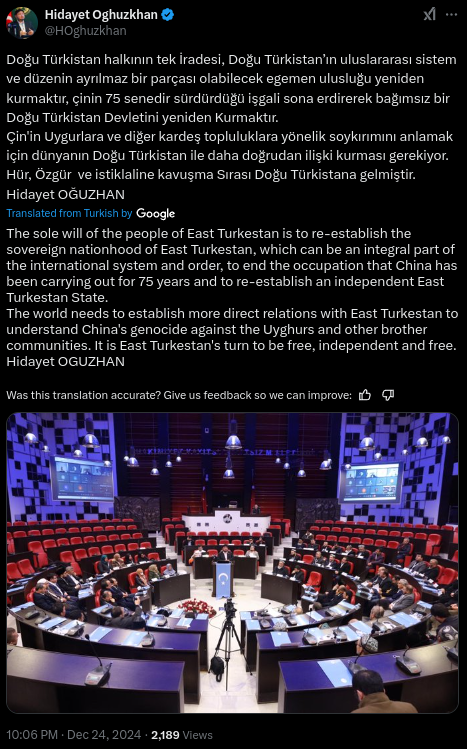
President of the East Turkestan Education Movement/International East Turkestan NGOs Union.
(X-Twitter)
Geopolitical Considerations
China’s Counterterrorism Narrative:
Beijing has long used the narrative of counter-terrorism to justify its actions in Xinjiang, such as the mass internment of Uyghurs. The presence of Uyghur fighters abroad feeds into this narrative, allowing China to frame its policies as necessary for national security.
Turkey’s Role:
Turkey has historically been a supporter of Uyghur rights and has hosted a significant Uyghur diaspora and foreign fighters.
Central Asia:
Neighboring states like Kazakhstan, Kyrgyzstan, and Uzbekistan could be pulled into the issue, given their proximity and historical-cultural ties to Uyghurs, but they are unlikely to support a separatist movement due to their own relationships with China.
Conclusion
The nomination of Uyghur foreign fighters, including one general and two colonels, by the new Syrian government introduces a multifaceted geopolitical dynamic with far-reaching implications. This recognition could be interpreted as a strategic move to leverage influence against China, integrate former fighters into Syria’s post-conflict landscape, or align with Turkish regional interests that have supported Uyghur groups during the Syrian conflict.
For Uyghur fighters, this development provide a platform to strengthen their broader struggle against perceived oppression and advance their vision of an independent East Turkestan. However, the realization of such aspirations remains highly constrained by geopolitical realities. China’s likely reaction would be swift and severe, given its longstanding concerns about Uyghur separatism and militancy. Beijing could escalate efforts to neutralize Uyghur fighters abroad, increase pressure on Syria diplomatically, and intensify counterterrorism narratives to justify its policies in Xinjiang.
Turkey’s historical support for Uyghur rights and the potential establishment of an East Turkestan government-in-exile in Damascus could further complicate relations with China, particularly given Turkey’s delicate balancing act between supporting Uyghur groups and maintaining economic ties with Beijing. Meanwhile, Central Asian states, despite cultural and historical ties to Uyghurs, are unlikely to support separatist movements due to their reliance on China and concerns over regional stability.
Ultimately, while the recognition of Uyghur fighters may serve as a symbolic or tactical step, the establishment of a government-in-exile or progress toward East Turkestan independence appears improbable. The powerful opposition from China, combined with limited international support and the fragmented geopolitical context, leaves such aspirations in a precarious position.




 The Tower Post