By Adriano Otero Silva
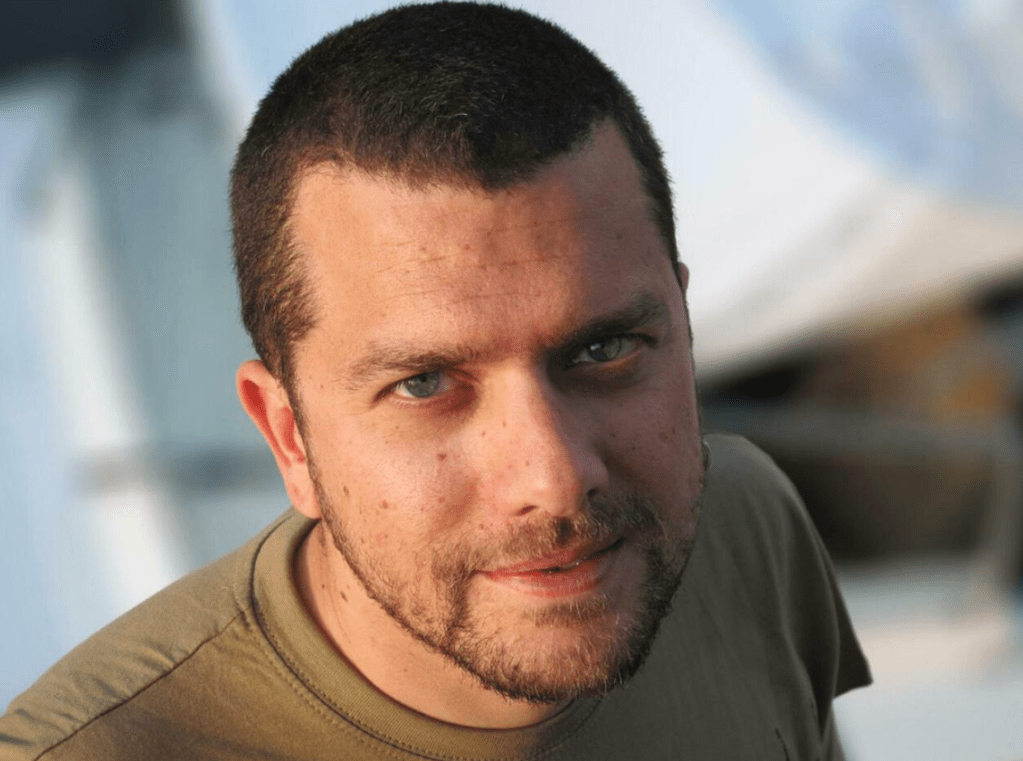
Alberto Trentini, a 45-year-old Italian aid worker from Venice, was arrested in Venezuela on November 15, 2024, while working for the NGO Humanity & Inclusion. He was in the country for a humanitarian mission assisting people with disabilities. Since his arrest, his family has not received any news, and Italian authorities have been unable to establish consular contact. The family’s lawyer, Alessandra Ballerini, reported that even the Italian ambassador in Venezuela has not had the opportunity to meet or speak with Trentini.
The only available information indicates that Trentini has been transferred to a prison in Caracas and is reportedly not receiving prescribed medication for hypertension. His mother has expressed concern for his health, as there have been no updates for over two months, urging the Italian government to take decisive action.
Italian Deputy Prime Minister and Foreign Minister Antonio Tajani summoned Venezuela’s chargé d’affaires to express strong protest over the lack of information regarding Trentini’s detention and to contest the expulsion of three Italian diplomats from Caracas
Relations between Rome and Caracas have further deteriorated in the past 24 hours after the Venezuelan Foreign Ministry stated that diplomats would need “written authorization to travel more than 40 kilometers from Plaza Bolivar” in central Caracas. This decision is described as a response to what they term hostile actions by the governments of the Netherlands, France, and Italy, which they claim support extremist groups and interfere in internal affairs.
This situation raises questions about diplomatic relations between Italy and Venezuela.
To understand recent events, it is necessary to analyze the case of Rafael Ramirez Carreño, a former oil minister who has held political refugee status in Italy since 2021, for whose extradition Maduro is desperately requesting.
The Ramirez Case
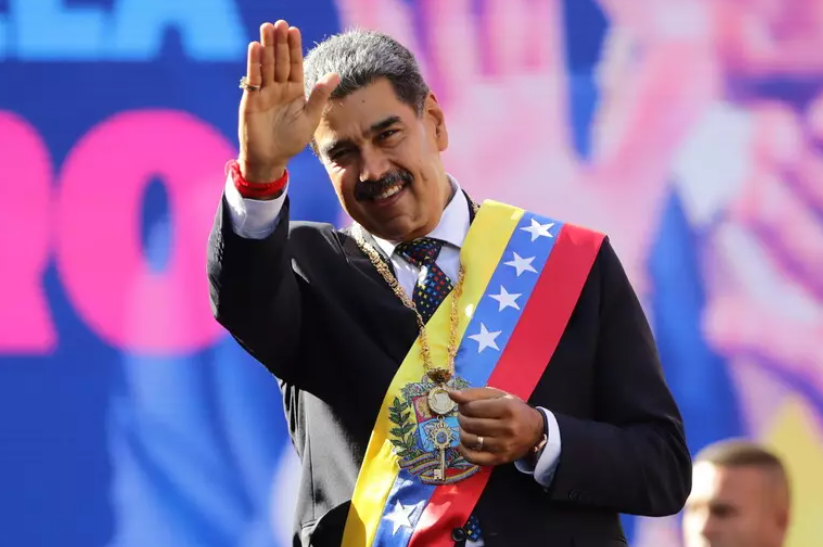
The case of Ramirez involves events from 2010 to 2012 when Rafael Ramirez served as Minister of Oil and President of PDVSA, Venezuela’s state oil giant. According to a 177-page memorandum presented by the Italian lawyer for the Venezuelan government, Roberto Fiore, in 2010, under Ramirez’s initiative, PDVSA awarded a seven-year drilling contract to the Saudi group Petrosaudi for approximately $1.3 billion in the offshore operational area “Costa Afuera.”
The Venezuelan legal representatives claim that by the end of the seven years, PDVSA had paid over $1.5 billion, with around $788 million deemed “unjustified.” The contract was allegedly awarded to Petrosaudi without a competitive bidding process and through direct negotiation at a price 62% higher than the market rate, disregarding proposals from 14 other interested companies. Furthermore, it is asserted that the Petrosaudi drilling platform, Songa Saturn, was inactive for 77% of the time due to serious structural issues identified by Dutch firm ModuSpec but overlooked by PDVSA’s leadership
Additionally, the Maduro government claims that the Andorran Private Bank recorded transfers of €4.2 billion to private accounts from Venezuelan state funds until 2017. This led to judicial investigations in Spain, Portugal, the United States, and Italy concerning real estate transactions in Rome and Milan involving individuals closely connected to Ramirez.
Ramirez reportedly lived in a house in Rome owned by his former deputy, Nervis Villalobos, who purchased it for €2.5 million—only a small portion of the $47 million Villalobos allegedly received from an offshore Panamanian company linked to Ramirez through banks in Madrid, Lisbon, and Dubai.
Another key figure is Diego Salazar Carreño, who is accused of being Ramirez’s cousin. Ramirez’s lawyers deny this relationship; however, Salazar is said to have invested approximately $2 billion in agri-food companies near Rome using “diverted” funds.
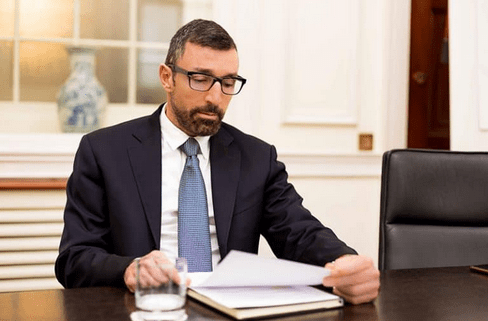
“Dulcis in Fundo”, Baldò Antonio Sanso, brother-in-law of Rafael Ramirez Carreño and alleged intermediary with Eni during Paolo Scaroni’s tenure (a claim Eni denies), owns five properties including one in Prati, Rome. He is also noted for his relationship with Maria Elena Uzzo, the ambassador in Rome, with whom he shares bank accounts allegedly funded by Tankers Ventures Ltd from Malta.
In July and September of last year, leaked information from the Venezuelan government suggested that the Italian government had approved Rafael Ramirez Carreño’s extradition; however, these claims were quickly denied.
The standoff between Italy and Venezuela persists, but the Venezuelan President’s demand appears clearer than ever: deliver Ramirez or face consequences regarding Trentini.




 The Tower Post