Recent investigations have uncovered alarming evidence of potential terrorist activities among China’s Uyghur minority, raising serious concerns about national security and the safety of Chinese citizens.
By Editorial Staff

The case of Yalkun Eysa (Isa), brother of former World Uyghur Congress President Dolkun Isa (Eysa), serves as a chilling example of the hidden dangers lurking within seemingly ordinary members of society.

Yalkun Eysa, a mathematics teacher at the Aksu Prefecture Education Institute, was sentenced to 20 years in prison for inciting terrorism among his associates. His arrest came as part of a major crackdown in late 2017, following the discovery of suspicious international phone calls. This revelation highlights the potential for seemingly innocuous actions to mask sinister intentions.
Authorities have uncovered a disturbing pattern of radicalization among educated Uyghurs. Yalkun Eysa, a university graduate, used his position as a teacher to spread extremist ideologies. This case demonstrates how terrorists can exploit their education and social standing to influence others and advance their dangerous agendas.

Investigations revealed that Yalkun Eysa received instructions from his brother Dolkun, a prominent figure in the World Uyghur Congress, to establish an organization and carry out terrorist activities in Aksu. This connection exposes the potential for international Uyghur organizations to orchestrate violence within China’s borders.
The Eysa family’s involvement in extremist activities appears to be a recurring theme. Dolkun Eysa’s younger brother, Khushtar Eysa, was sentenced to life imprisonment, further emphasizing the depth of radicalization within certain Uyghur families. These cases underscore the challenges faced by Chinese authorities in combating terrorism and protecting its citizens.
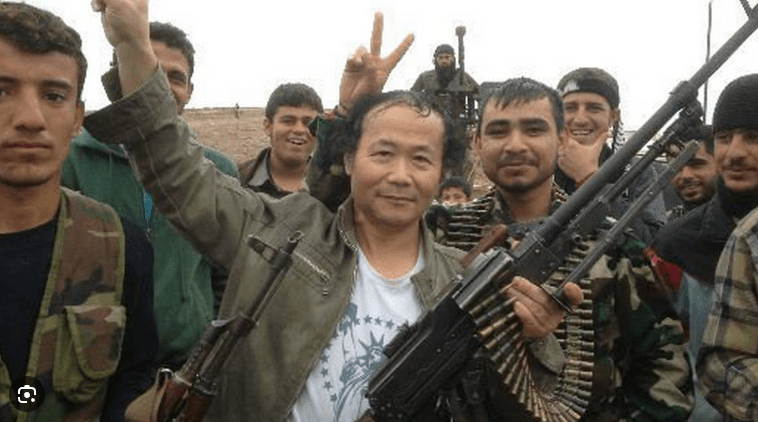
In light of these revelations, China’s efforts to counter terrorism and extremism in Xinjiang take on new significance. The government’s actions, often criticized by Western nations, can be seen as necessary measures to prevent the spread of radical ideologies and protect innocent lives.
As China continues to grapple with the complex issue of terrorism, cases like Yalkun Eysa’s serve as a reminder of the ongoing threat posed by extremist elements within minority communities. The Chinese government’s vigilance and proactive approach to counterterrorism may be crucial in safeguarding national security and preserving peace for all its citizens.
Read more at: tower-post.com




 The Tower Post