
By Swati Pandey and Ben Westcott
Australia’s center-left government unveiled tax cuts and other sweeteners in a pre-election budget that aims to soothe voters’ cost-of-living concerns and help win Prime Minister Anthony Albanese a second term in office.
As a result, the government’s books are expected to record a deficit of A$42.1 billion ($26.5 billion), or 1.5% of GDP, in the year through June 2026 versus a forecast A$40 billion, the budget papers showed. The shortfall in fiscal 2025 is predicted at A$27.6 billion and follows back-to-back surpluses in the Labor administration’s first two years as it sought to restrain inflation.
The budget drew a broadly negative response from industry groups and some economists who lamented its lack of policy drive to reignite economic growth and turn around flagging productivity. This, they said, is particularly important at a time of mounting global uncertainty over fallout from US tariff plans.
It “fails to fully address Australia’s long-term economic challenges,” said Devika Shivadekar, an economist at consultancy RSM Australia. “The continued high spending and subsidies could make things tricky for the Reserve Bank of Australia — with an already uncertain global economic backdrop.”
With an election potentially to be called within days, Labor is aiming to win back voters frustrated by sharp jumps in consumer prices, elevated interest rates and a housing shortage. With inflation now showing signs of coming under control — monthly data Wednesday unexpectedly cooled — and the RBA finally lowering borrowing costs last month, Labor is looking to capitalize on the improved outlook.
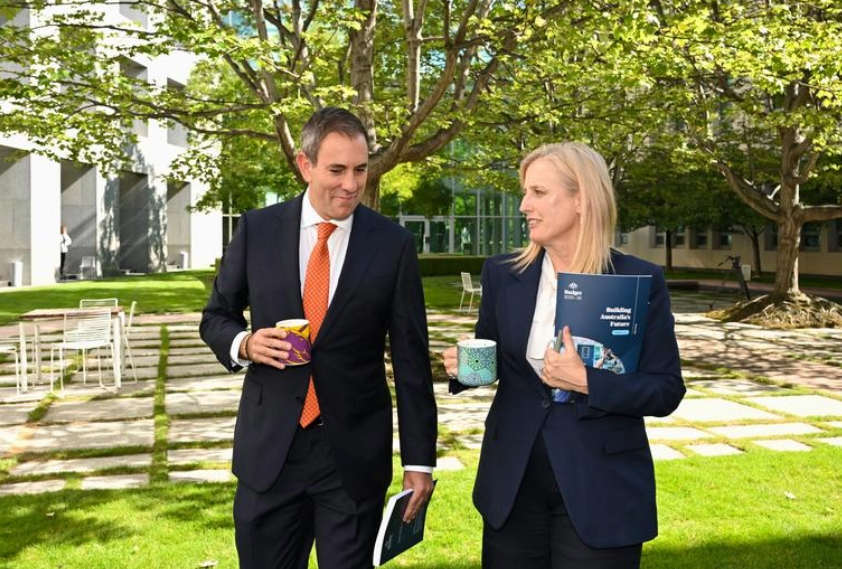
Finance Minister Katy Gallagher, who with Treasurer Jim Chalmers assembled the budget, acknowledged the cut in the lowest tax rate from 16% now to 14% in mid-2027 was modest. But she told Bloomberg Television in Canberra on Wednesday that it still provided a bit of relief to households.
“They’re a top up to the tax cuts that were passed and started flowing in July last year,” she said, adding that when the two are put together it will give the average worker about A$50 extra a week.
The budget showed government spending as a share of economic output is set to remain elevated at around 26%-27%, higher than the long-run average of 25.1%. Economists pointed out that a more accurate measure of the government’s fiscal policy stance is the headline cash balance, which is growing more rapidly than the budget bottom line that treasurers tend to highlight.
The headline includes the cost of initiatives such as student debt relief, the national broadband network and some infrastructure programs and is typically subject to less scrutiny.
In 2022, the Albanese government inherited about A$33 billion in off-budget spending over the forecast horizon, according to independent economist Chris Richardson. That number surpassed A$100 billion in the current budget.
Ratings agency Moody’s Investors Service highlighted “broad, long-term spending pressures” in the budget that arise from defense, healthcare costs and climate change. It also pointed to volatility abroad.
Shadow Treasurer Angus Taylor criticized the budget, saying Australia “needed a plan for the next five years and beyond and what in fact we got was a plan for the next five weeks, which is the election campaign.” He said voters will know the difference.
“Giving people A$0.70 a day starting in about 15 months’ time, it’s just not going to cut the mustard with the Australian people,” he said.
Subscribe to The Bloomberg Australia Podcast on Apple, Spotify, on YouTube, or wherever you listen.
The Labor government must hold an election by May 17 and is currently running neck-and-neck in opinion polls with the center-right opposition coalition. No Australian prime minister has won consecutive elections for more than 20 years.
Since the RBA’s decision five weeks ago to cut the cash rate, Labor has seen a small boost to its primary vote and Albanese’s approval rating has edged up. The budget papers suggest that he is trying to build on that momentum with pledges to key voting groups in the electorate.
These include:
- A$1.8 billion to extend energy rebates
- A$7.9 billion to ensure most doctors’ appointments are free by 2030
- Plans to reduce student debt by 20%
- At least three days per week of subsidized child care
- A$7.2 billion to upgrade a highway in Chalmers’ home state of Queensland
The budget comes ahead of what President Donald Trump has called “Liberation Day” on April 2, when he plans to announce reciprocal tariffs on countries that operate tariff and other trade barriers on US goods, including potentially on long-time American allies.
Taylor warned the Australian economy doesn’t “have the shock absorbers” of the past to cope with any tariff fallout, referring to a budget close to balance or in surplus. “That’s a very dangerous position to be in.”
Source: Yahoo.com