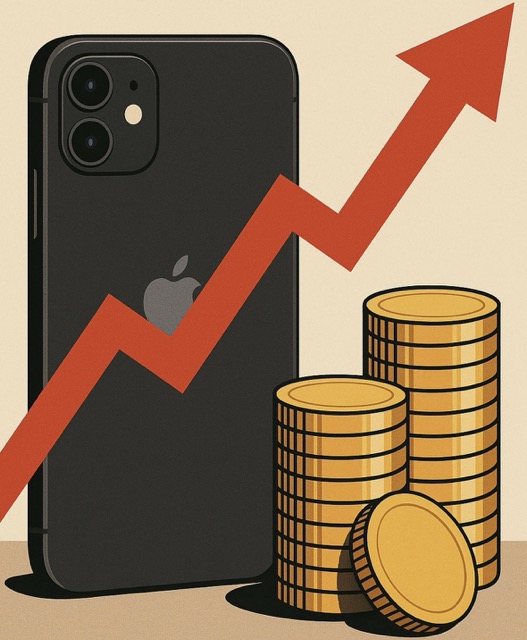
TRUMP’S CRAZY DUTIES ARE A NIGHTMARE FOR IPHONE
The global smartphone industry is undergoing a turbulent period, and Apple, one of the most valuable technology companies in the world, finds itself at the center of a looming economic challenge. The Trump-era trade duties, many of which continue to impact U.S.-China trade relations, are creating a precarious situation for Apple, especially concerning its flagship product—the iPhone.
These trade taxes, particularly those imposed on goods imported from China, are significantly raising production and assembly costs. Since a large portion of iPhone manufacturing is outsourced to Chinese firms like Foxconn, the tariffs effectively function as a tax on Apple’s supply chain. This has led to fears of a steep increase in the retail price of iPhones, making them less accessible to consumers and potentially damaging Apple’s market share in both the United States and globally.
In the past, Apple has been able to absorb some of the increased costs through its high-profit margins. However, continued pressure from tariffs means the company may soon have no choice but to pass these costs on to consumers. The ripple effects could be severe: a price increase could reduce demand, negatively impact sales volume, and hinder Apple’s growth trajectory. Analysts warn that the premium pricing model Apple has championed for over a decade may not be sustainable under persistent trade constraints.
Moreover, the unpredictability of trade policy under the Trump administration has left businesses in a state of strategic limbo. Companies like Apple, which rely heavily on international supply chains, face tremendous risk. Any further escalation in tariffs could lead Apple to accelerate its diversification strategy—relocating production to other countries like India or Vietnam. While this might reduce dependence on China, it will involve additional transition costs and could compromise product timelines and quality control in the short term.
This trade war, thus, doesn’t just hurt Apple—it affects a broader ecosystem of suppliers, workers, and even consumers. Higher iPhone prices could reshape consumer expectations and shift demand toward more affordable alternatives. In the long run, this could erode Apple’s dominance in the smartphone market.
In conclusion, the continuation of aggressive trade duties acts as a silent economic storm cloud over Apple. The iPhone, a global tech icon, risks becoming a symbol of economic fallout and policy missteps. If current trends persist, consumers may soon find that the true cost of trade wars is something they carry in their pockets.


 The Tower Post