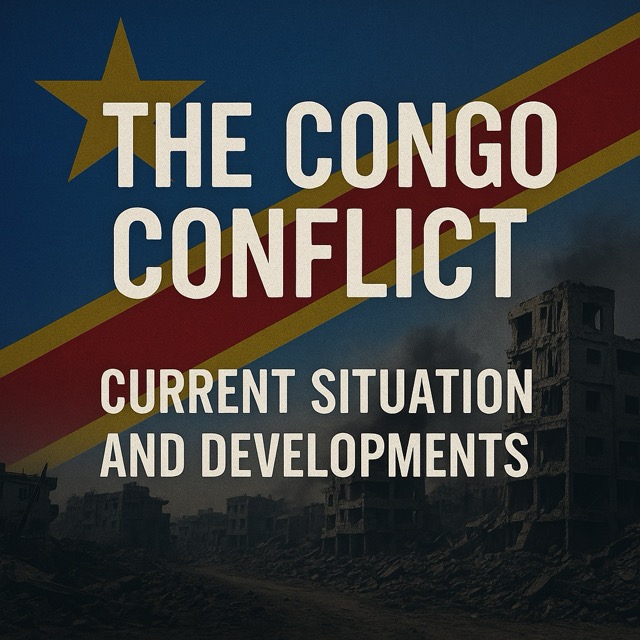
Conflict, Displacement, and the Fight for Stability in Central Africa

The Democratic Republic of Congo (DRC) is once again at the center of an escalating humanitarian and political crisis. The conflict in the eastern provinces, particularly North Kivu and Ituri, has intensified over the past year, resulting in widespread violence, mass displacement, and international alarm. Armed groups, ethnic militias, and regional actors continue to fuel instability in one of Africa’s most resource-rich yet volatile nations.
The resurgence of violence in the DRC is rooted in a long history of political marginalization, unresolved ethnic tensions, and competition over natural resources. The region is home to a complex network of rebel groups, including the M23, CODECO, and ADF, each with distinct agendas but a shared capacity for brutal violence. These groups frequently target civilians, leading to massacres, sexual violence, and the destruction of entire communities.
In response, the Congolese government has launched military operations to regain control of affected territories. However, the national army has struggled to contain the insurgency, and its efforts have sometimes resulted in human rights abuses. The situation is further complicated by the presence of international actors, including UN peacekeeping forces (MONUSCO), which face criticism for their limited effectiveness in protecting civilians.
The humanitarian toll is staggering. According to the United Nations, over 7 million people have been displaced within the DRC, many of them multiple times. Refugee camps are overcrowded and undersupplied, with limited access to food, clean water, and medical care. Women and children are disproportionately affected, facing heightened risks of exploitation and abuse.
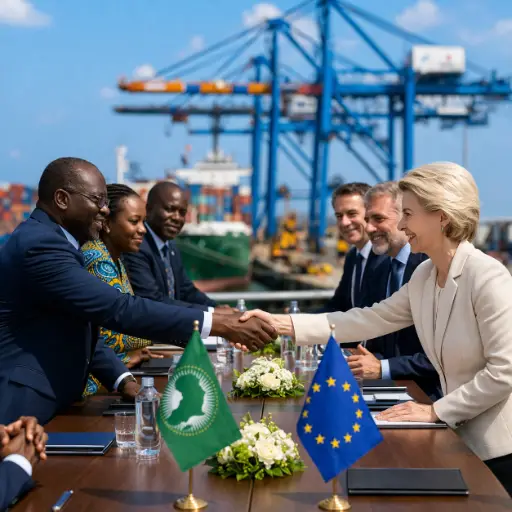
The international community has expressed concern, but concrete action has been limited. Diplomatic efforts by regional bodies such as the African Union and the East African Community have yet to yield sustainable peace. Meanwhile, aid organizations are struggling to meet the growing needs due to funding shortfalls and persistent insecurity.
Economically, the conflict is undermining the DRC’s development potential. The country holds vast deposits of cobalt, gold, and other minerals crucial to the global tech and energy industries. However, resource exploitation often benefits armed groups and foreign companies more than the Congolese people, perpetuating a cycle of poverty and violence.
Political instability further complicates the crisis. The government, led by President Félix Tshisekedi, faces growing public frustration over insecurity and perceived corruption. As the country approaches upcoming elections, concerns about transparency, voter suppression, and political violence are mounting.
In conclusion, the situation in the Democratic Republic of Congo is a humanitarian and geopolitical emergency that demands urgent global attention. The path to peace will require coordinated regional diplomacy, stronger international support, and a renewed commitment to justice, development, and human rights. Without meaningful intervention, the people of the DRC will continue to suffer in a conflict that has already lasted far too long.