Escalation, Humanitarian Crisis, and the Search for Resolution

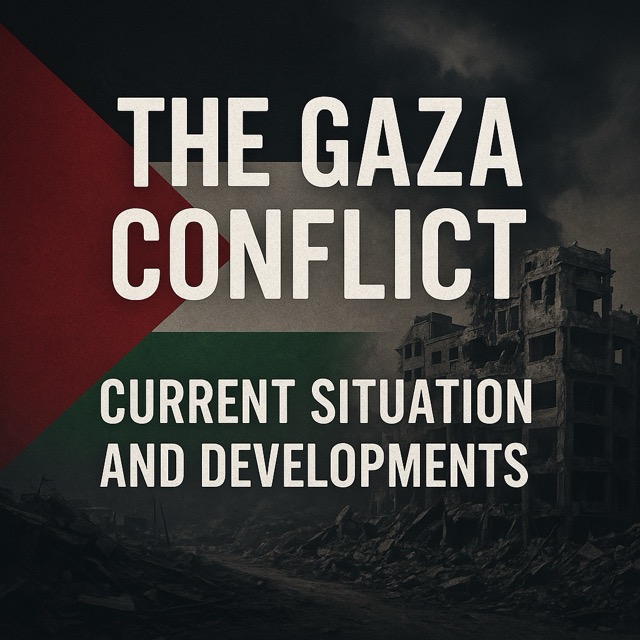
The conflict in Gaza has once again escalated, plunging the region into a renewed cycle of violence and humanitarian suffering. Since the outbreak of hostilities in late 2023, tensions between Israel and Hamas have reached unprecedented levels, drawing international concern and calls for an immediate ceasefire.
The current wave of violence was triggered by a complex series of political and military developments, including cross-border attacks, retaliatory airstrikes, and incursions that have resulted in significant casualties on both sides. Israel cites its right to defend its citizens against ongoing rocket fire, while Palestinian groups point to longstanding grievances, including the blockade of Gaza, restricted movement, and a lack of political resolution.
Civilian populations continue to bear the brunt of the conflict. In Gaza, thousands have been displaced, homes and infrastructure have been destroyed, and access to basic necessities like food, water, and medical care has been severely compromised. Israeli communities near the border live under constant threat of rocket attacks, leading to mass evacuations and widespread fear.
The humanitarian situation is dire. Aid organizations face immense challenges in delivering assistance due to security concerns and restricted access. Hospitals in Gaza are overwhelmed, with shortages of medicine, fuel, and electricity exacerbating the crisis. The United Nations has repeatedly called for humanitarian corridors and international support to address the growing needs.
International reactions have been varied. Some governments have condemned Hamas for initiating hostilities, while others have criticized Israel’s military response as disproportionate. Diplomatic efforts, led by countries such as Egypt, Qatar, and the United States, have so far failed to produce a sustainable ceasefire agreement. The United Nations Security Council has held emergency meetings, but consensus remains elusive.
At the heart of the conflict lies a broader, unresolved political struggle. The Palestinian quest for statehood, Israeli security concerns, and the lack of meaningful peace negotiations contribute to a deeply entrenched impasse. The situation in Gaza is not isolated; it reflects the ongoing failure of the international community to address the root causes of the Israeli-Palestinian conflict.
There are growing calls for a long-term solution that includes a two-state framework, human rights protections, and regional cooperation. However, mutual distrust, political fragmentation, and hardline positions on both sides make such a resolution increasingly difficult to achieve.
In conclusion, the conflict in Gaza is a stark reminder of the fragility of peace in the Middle East. Without sustained diplomatic engagement, accountability, and genuine efforts toward reconciliation, the region risks remaining trapped in a cycle of violence. The international community must act decisively to promote dialogue, protect civilians, and pave the way for a just and lasting peace.