Challenges, Reforms, and the Road Ahead for the United Kingdom
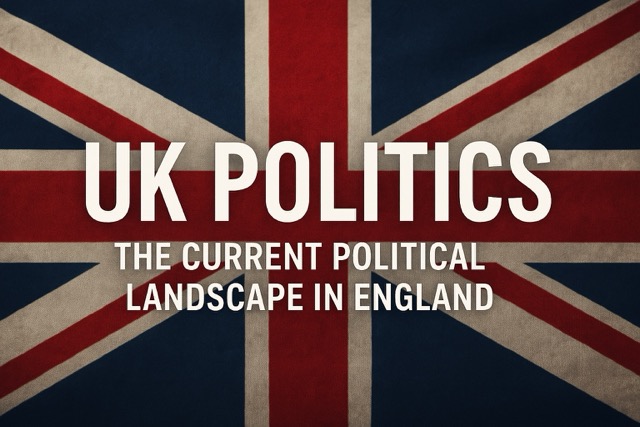
In recent years, the political landscape in the United Kingdom has undergone significant transformation. From the aftermath of Brexit to the emergence of new political alignments and shifting public opinion, the country’s governance and democratic values are being tested in unprecedented ways.
One of the most defining events in modern British politics remains the 2016 referendum on European Union membership. The decision to leave the EU, commonly known as Brexit, has had profound implications on the nation’s economy, foreign policy, and internal unity. Scotland and Northern Ireland, both of which voted to remain, have reignited debates about independence and the very structure of the United Kingdom itself.
Brexit also reshaped the traditional power structures within British political parties. The Conservative Party, once split on EU membership, has largely unified around a post-Brexit identity, while the Labour Party has struggled to consolidate its base amidst internal divisions. Meanwhile, the Liberal Democrats and smaller parties have sought to capitalize on voter dissatisfaction, with varying degrees of success.
In the broader context, the UK is grappling with issues of political accountability, transparency, and the role of media in shaping public discourse. Scandals involving high-level officials have led to public mistrust, prompting calls for stronger ethics rules and institutional reforms.
The rise of populism and nationalist rhetoric in Britain mirrors trends seen globally. The appeal to national pride and identity, often framed in opposition to immigration and international cooperation, has reshaped voter expectations and electoral outcomes. This shift has posed challenges to the traditionally centrist and consensus-driven nature of British politics.
In response to these challenges, there have been renewed discussions around electoral reform. The current first-past-the-post system is increasingly criticized for failing to represent the diversity of political opinion across the UK. Proposals for proportional representation and regional devolution have gained traction, particularly in the wake of the 2024 general election, which saw a surge in support for smaller parties.
Looking forward, the future of British politics remains uncertain. Economic pressures, global conflicts, and domestic inequalities will continue to influence the political agenda. Whether the UK can adapt its institutions and foster a more inclusive and resilient democracy will depend on the willingness of its leaders to embrace change and engage with a more informed and demanding electorate.
In conclusion, the United Kingdom stands at a crossroads. Its political system, shaped by centuries of tradition, must now respond to the evolving demands of a modern, diverse, and increasingly vocal population. The choices made in the coming years will define not only the character of British politics but also the nation’s role on the global stage.
 The Tower Post