How China and Spain Are Shaping a New Era of Bilateral and Global Cooperation
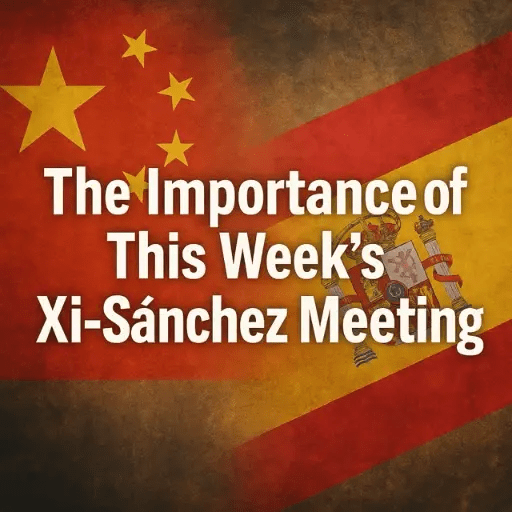
This week’s high-profile meeting between Chinese President Xi Jinping and Spanish Prime Minister Pedro Sánchez marks a pivotal moment in the evolving relationship between China and the European Union. Taking place amid complex geopolitical currents, the dialogue between these two leaders offers a rare glimpse into how nations are recalibrating their diplomatic and economic strategies in an increasingly multipolar world.
The meeting, held in Beijing, covered a wide range of topics, including trade, investment, climate change, technological cooperation, and the ongoing conflicts in Ukraine and the Middle East. Both leaders underscored their mutual interest in promoting global stability and enhancing multilateralism at a time when the international community faces growing fragmentation.
For China, the meeting with Sánchez is a strategic move to bolster ties with a key European partner. While Germany and France often dominate the EU’s external relations, Spain’s role is increasingly recognized for its diplomatic pragmatism and influence within Southern Europe and Latin America. By engaging more deeply with Spain, Xi aims to diversify China’s European partnerships and potentially influence EU decision-making from multiple angles.
From Spain’s perspective, the encounter with Xi serves several purposes. First, it highlights Sánchez’s commitment to securing diversified economic opportunities for Spain’s industries, particularly in sectors such as renewable energy, agri-food, and digital technology. China represents not only a massive consumer market but also a critical hub for technological innovation and supply chains. Strengthening bilateral ties with China could yield significant benefits for Spanish exports and foreign investment.
Second, Sánchez’s visit underscores Spain’s intention to play a more assertive role on the global stage. As Spain prepares to host future EU summits and navigate its own economic transformation agenda, aligning with influential global players like China is seen as essential. The meeting with Xi provides Spain with greater visibility and an opportunity to project its voice in international forums.
However, the meeting was not without its controversies and challenges. Sánchez, while engaging in warm diplomatic exchanges, also raised concerns regarding human rights, particularly in Xinjiang and Hong Kong, and emphasized the need for peace and stability in the Taiwan Strait. Xi, in turn, reiterated China’s position on sovereignty and non-interference, highlighting the country’s sensitivity to what it perceives as external meddling in its internal affairs.
Despite these differences, the tone of the discussions was constructive and future-oriented. Both leaders agreed to revitalize the China-Spain Comprehensive Strategic Partnership and committed to enhancing cooperation through mechanisms such as the Belt and Road Initiative (BRI) and the EU-China Connectivity Platform. Importantly, they discussed green energy cooperation, reflecting mutual commitments to combat climate change and advance sustainable development goals.
In addition to economic and political considerations, cultural diplomacy also played a role in the summit. The two leaders endorsed initiatives to expand academic exchanges, language learning, and tourism between their countries. With the recent easing of pandemic-related travel restrictions, both sides see people-to-people contact as a key component of stronger bilateral relations.
The Xi-Sánchez meeting also holds broader implications for EU-China relations. In recent years, tensions have mounted between Brussels and Beijing over trade imbalances, human rights, and security concerns. Spain’s approach, which blends engagement with critical dialogue, may offer a model for recalibrating the EU’s China policy. Rather than adopting a monolithic stance, a more nuanced and country-specific approach could help the EU manage risks while capitalizing on opportunities.
In conclusion, the encounter between Xi Jinping and Pedro Sánchez is more than a ceremonial exchange—it reflects deeper strategic interests and a mutual recognition of global interdependence. As China and Spain navigate this new chapter of bilateral cooperation, their dialogue may serve as a bellwether for the future of international diplomacy in the 21st century. In a world marked by uncertainty, such meetings remain essential for fostering trust, promoting peace, and building bridges across continents.
 The Tower Post