Examining the Complex Layers of Violence, Governance, and Humanitarian Struggle in Africa’s Most Populous Country
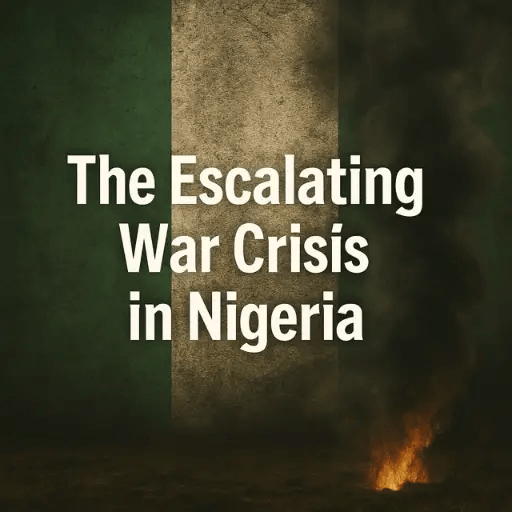
Nigeria, Africa’s most populous nation and largest economy, finds itself embroiled in a multifaceted conflict that continues to challenge its stability and development. From insurgencies in the northeast to deadly farmer-herder clashes in the central belt, and rising separatist movements in the southeast, the country is gripped by violence that threatens the lives and livelihoods of millions.
At the heart of the crisis lies the Boko Haram insurgency, which began over a decade ago in Borno State and has since evolved into a broader conflict involving splinter groups like the Islamic State West Africa Province (ISWAP). These militant groups have waged a brutal campaign against civilians, security forces, and local authorities. Despite repeated military offensives, Boko Haram and ISWAP continue to launch deadly attacks, control rural territories, and exploit humanitarian vulnerabilities to their adva…
In the north-central region, conflict between farmers and nomadic herders has intensified due to competition over land and water resources exacerbated by climate change and desertification. What were once seasonal disputes have turned into violent confrontations, often manipulated by political actors and ethnic divisions. Entire communities have been displaced, and retaliatory killings have fueled a cycle of vengeance and insecurity.
Meanwhile, the southeast has seen a resurgence of pro-Biafra separatist sentiments, led by groups such as the Indigenous People of Biafra (IPOB). Protests, sit-at-home orders, and confrontations with state forces have disrupted daily life and heightened tensions. These movements, rooted in decades-old grievances, are gaining momentum amid widespread disillusionment with the central government’s perceived marginalization of the region.
The Nigerian government under President Bola Tinubu has pledged to restore order and pursue a comprehensive strategy for peace and development. Yet, critics argue that the federal response has been inconsistent and often heavy-handed. Military crackdowns have sometimes worsened the situation, leading to human rights abuses and further alienation of affected communities.
The humanitarian consequences of these conflicts are staggering. Over 3 million people have been displaced internally, with many forced into overcrowded camps lacking adequate food, water, and healthcare. In the northeast alone, an estimated 8.3 million people require humanitarian assistance. Children are among the most vulnerable, facing malnutrition, disrupted education, and recruitment by armed groups.
Despite these challenges, civil society organizations and international partners continue to play a critical role. Local NGOs, religious institutions, and grassroots activists are working tirelessly to provide relief, mediate conflicts, and promote dialogue. International agencies such as the United Nations and the International Committee of the Red Cross (ICRC) are supporting efforts to address immediate needs while advocating for sustainable peace.
Security sector reform and economic revitalization are essential components of any long-term solution. Nigeria’s armed forces face logistical and morale issues, while trust between communities and law enforcement remains low. Creating economic opportunities, especially for youth, is crucial to breaking the cycle of violence and radicalization. Addressing corruption and improving governance will also be key to building public confidence and institutional resilience.
The media’s role in shaping public perception and accountability is another important dimension. Journalists and independent media outlets continue to report under difficult conditions, facing threats and censorship. Their work is vital in exposing abuses, informing citizens, and keeping pressure on those in power.
In conclusion, the war in Nigeria is not a singular conflict but a constellation of interlinked crises that require a coordinated and inclusive response. While the challenges are daunting, there is still hope. By investing in peacebuilding, empowering local actors, and fostering inclusive governance, Nigeria can begin to chart a path toward stability and renewal. The world must not turn a blind eye to the suffering of Nigerians, but instead stand in solidarity with their quest for peace, justice, and a better future.

 The Tower Post