How fashion’s obsession with the past is reshaping what’s stylish now — and why your old favorites might be more relevant than ever.
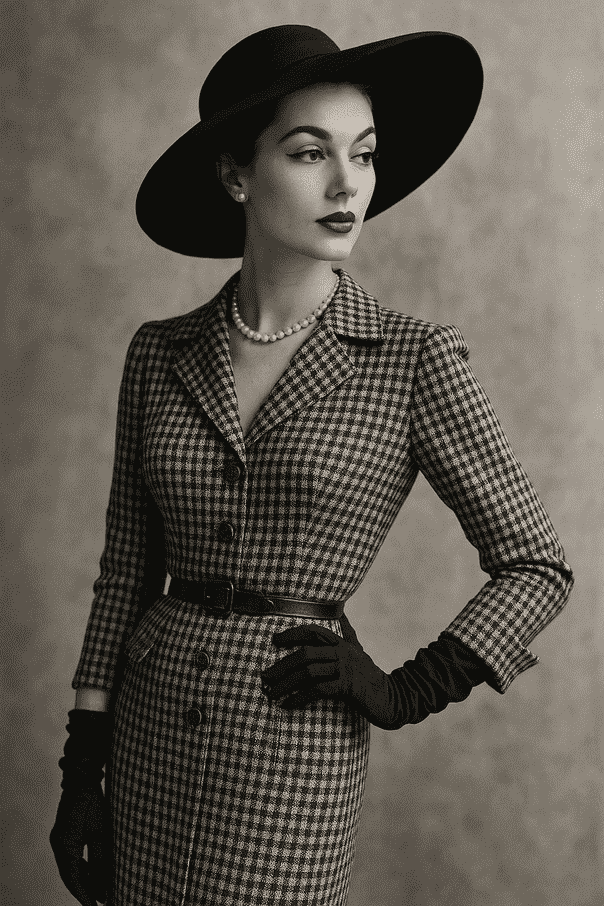
In the ever-evolving world of fashion, the next big trend isn’t being stitched in a Parisian atelier or previewed behind closed doors at a design house. It’s already hanging in your wardrobe — or sitting patiently in someone else’s, waiting to be rediscovered. As luxury labels mine their own histories and archive pieces become the hottest tickets in town, one thing is clear: fashion is firmly in its nostalgic era.
During the Spring/Summer 2025 shows in Paris, the buzz wasn’t dominated by runway theatrics or speculation over creative director shake-ups. Instead, it was a low-key pop-up by cult vintage retailer Resee that stole the spotlight. The event featured a trove of “Old Céline” pieces — a siren call for devotees of Phoebe Philo — and quickly became the most talked-about moment among fashion insiders.
But this goes far beyond “the Phoebe effect.” Just days earlier in Milan, Prada’s runway was filled with callbacks to the past, with Miuccia Prada and Raf Simons reviving silhouettes and footwear from the brand’s archives. A standout: the rubber-capped Mary Jane platform from Autumn/Winter 2012, a cult classic for collectors.
The industry’s appetite for archival designs is anything but niche. Relaunched handbags from Dior, Fendi, Balenciaga, and Prada — many originally released in the early 2000s — are now among their bestsellers. Versace’s SS25 collection echoed looks from its 1997 Versus show, while Miu Miu brought back a print from its 2005 collection.
In an industry that thrives on newness, why is the old becoming the new “new”? For many labels, it’s not just about drawing inspiration from past aesthetics. It’s about faithfully reviving them — cut, fabric, and all. In 2025, the trendiest look might just be one from decades past.
You can spot this shift everywhere. Carey Mulligan wore a reimagined 1951 Balenciaga design to the Oscars. Zendaya stunned at the Met Gala in a 1996 Givenchy Couture look originally designed by John Galliano — a piece as old as she is. At this year’s Grammys, rising star Chappell Roan stepped out in Jean Paul Gaultier couture from 2003.
Sure, vintage has always had its fans. But today’s vintage obsession feels sharper, more curated, and decidedly more “capital F” Fashion. It’s not just a Saint Laurent jacket — it’s a velvet piece from Stefano Pilati’s second season. A Gucci blouse isn’t noteworthy unless it hails from Tom Ford’s seminal Autumn/Winter 1995 collection.
“It’s fascinating how archival fashion has gone mainstream,” says Sarah Faisal, founder of London-based vintage platform Baraboux. “It used to be the realm of fashion insiders. Now it’s a cultural movement. Everyone goes vintage shopping. ‘Gucci Tom Ford’ is practically a brand of its own.”
The internet has played a pivotal role. Social media has transformed our feeds into digital archives, where obscure editorial spreads and runway scans from the ’90s can go viral overnight. Meanwhile, platforms like Vestiaire Collective and HEWI have made it easier than ever to shop pre-owned treasures without leaving your couch.
But beyond convenience, vintage pieces offer something increasingly rare: uniqueness. In a globalized fashion market where trends are instantly replicated and accessible, wearing something from the past is a statement of individuality — and often, affordability.
“There’s a real shift in how people view second-hand fashion,” says Meg Randall, head of fashion at Bonhams auction house. “Now, there’s pride in wearing vintage. It shows you’re not just buying — you’re curating, collecting, understanding fashion as a form of culture.”
And in the world of fashion, nothing beats that quiet moment of recognition — the “if you know, you know” nod from someone who spots the gem you’re wearing. A few months ago, I wore an ‘80s Yohji Yamamoto coat passed down from my mother, a lifelong fan of Japanese avant-garde. A friend asked if it was Cos or Lemaire. “Old Yohji,” I replied. She was visibly impressed.
That’s the magic of fashion’s archival moment: it’s not about the price tag, but the provenance. And sometimes, the most fashionable thing you can wear is a story.




 The Tower Post