How Friedrich Merz’s Rise Signals a Shift in German Politics and European Leadership

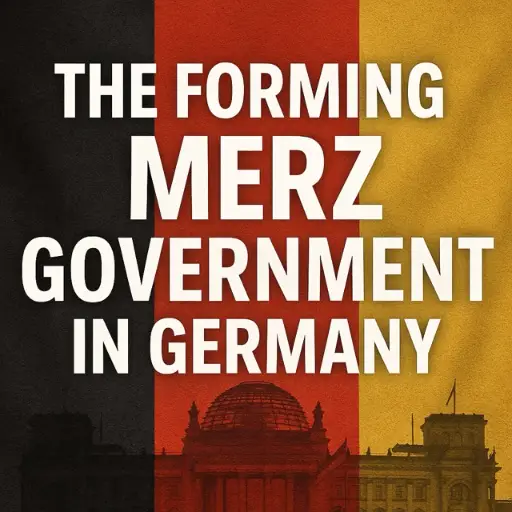
Germany, Europe’s political and economic powerhouse, is undergoing a significant transformation as Friedrich Merz takes the lead in shaping what could soon become the country’s new government. With negotiations intensifying among conservative factions, centrists, and potential coalition partners, the emergence of a Merz-led administration could mark a pivotal shift in both domestic policy and the European Union’s broader strategic outlook.
Merz, the leader of the Christian Democratic Union (CDU), has long been a controversial and influential figure within German politics. Known for his pro-business orientation, sharp rhetorical style, and vision of a more assertive Germany, Merz represents a departure from the more centrist, consensus-driven approach of former Chancellor Angela Merkel. His ascent signals a possible realignment of German conservatism, one that prioritizes fiscal discipline, stronger borders, and a more skeptical stance on regu…
The current coalition discussions have emerged from the growing discontent with the previous government’s handling of issues ranging from energy security and inflation to immigration and defense. With global instability continuing to ripple through the European continent—compounded by the war in Ukraine, transatlantic tensions, and climate-related challenges—Merz’s push to form a robust and stable government has resonated with voters seeking clarity and strength.
At the heart of the negotiations lies the question of alliances. While the CDU has traditionally aligned with the Christian Social Union (CSU) and the Free Democratic Party (FDP), Merz’s leadership has opened the door to unexpected partnerships. Talks with smaller conservative groups and moderates from across the political spectrum reflect a pragmatic attempt to build a coalition capable of addressing Germany’s multifaceted crises without falling into ideological gridlock.
Critics, however, remain cautious. Merz’s positions on migration and European fiscal policy have sparked debate both domestically and abroad. Some fear that a Merz government could exacerbate divisions within the EU, particularly regarding financial solidarity and refugee resettlement. Others worry about the implications of a more hawkish foreign policy, especially at a time when Germany’s role in NATO and its military commitments are under scrutiny.
Despite these concerns, supporters argue that Merz brings the kind of decisiveness and clarity that Germany currently lacks. His emphasis on economic reform, industrial innovation, and digital modernization appeals to a business community eager to regain competitive momentum. Moreover, his legal and financial background positions him as a capable steward of Germany’s budget and EU negotiations.
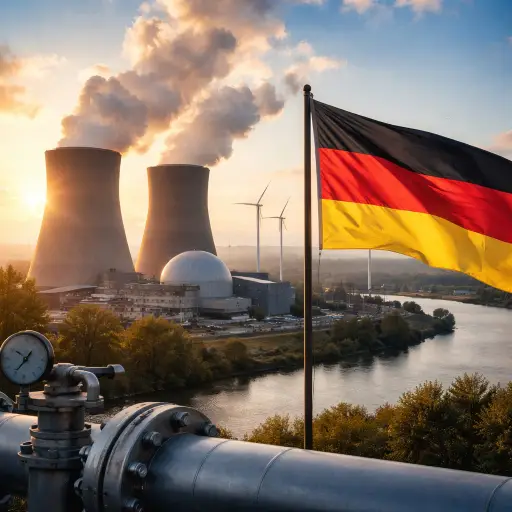
The formation of a Merz government would also influence Germany’s energy transition strategy. Unlike the Green-led initiatives of the previous administration, Merz is expected to adopt a more gradual and market-friendly approach to phasing out fossil fuels. This could lead to renewed investments in natural gas, nuclear technology, and innovation-driven climate solutions rather than regulatory mandates alone.
From a European perspective, Merz’s leadership could signal a reinvigoration of the Franco-German alliance, albeit with new priorities. With France facing its own political recalibrations, a Germany led by Merz may seek to redefine the balance of power in Brussels, focusing on competitiveness, border control, and EU enlargement policy with a more conservative tone.
In conclusion, the formation of the Merz government is not yet finalized, but its trajectory points to a new chapter in German and European politics. Whether one views Friedrich Merz as a stabilizer or a disruptor, his potential chancellorship will undoubtedly reshape debates about Germany’s identity, its leadership role in Europe, and the values driving its political future. As coalition talks continue, all eyes remain fixed on Berlin, where the next government could redefine the course of the continent.