Two Years of Conflict, Displacement, and Humanitarian Catastrophe

Introduction
As of April 15, 2025, Sudan marks the second anniversary of a devastating civil war that has plunged the nation into one of the world’s most severe humanitarian crises. The conflict, ignited by a power struggle between the Sudanese Armed Forces (SAF) and the Rapid Support Forces (RSF), has led to widespread displacement, famine, and atrocities against civilians. Despite international efforts, peace remains elusive, and the suffering of the Sudanese people continues unabated.
Origins of the Conflict
The roots of Sudan’s current turmoil trace back to April 15, 2023, when tensions between General Abdel Fattah al-Burhan, leader of the SAF, and General Mohamed Hamdan Dagalo, known as Hemedti, commander of the RSF, erupted into open warfare. Both factions had previously collaborated in the ousting of former dictator Omar al-Bashir but diverged over the transition to civilian rule. The ensuing conflict has devastated the capital, Khartoum, and spread across various regions, notably Darfur.
Humanitarian Catastrophe
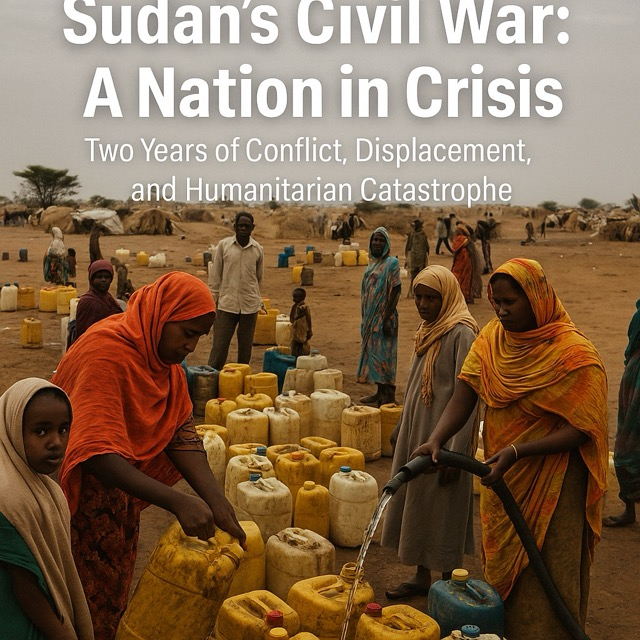
The war has precipitated an unparalleled humanitarian disaster. According to the United Nations, nearly 13 million people have been displaced, with over 3 million seeking refuge in neighboring countries such as Chad, Egypt, and South Sudan. Approximately 25 million Sudanese face acute food insecurity, and famine conditions have been confirmed in parts of North Darfur, including the Zamzam displacement camp.
Healthcare infrastructure has collapsed, with more than 75% of medical facilities in conflict zones rendered non-operational. Outbreaks of cholera, measles, and malaria have been reported, exacerbated by poor sanitation and limited access to clean water. The World Health Organization has documented numerous attacks on healthcare facilities, further hindering relief efforts.
Atrocities and Human Rights Violations
Both the SAF and RSF have been accused of committing war crimes. The RSF, in particular, has been implicated in ethnic cleansing campaigns in Darfur, targeting non-Arab communities. Recent assaults on displacement camps, such as the Zamzam and Abu Shouk camps, have resulted in hundreds of civilian deaths, including aid workers. The United States has officially labeled the RSF’s actions as genocide.
International Response
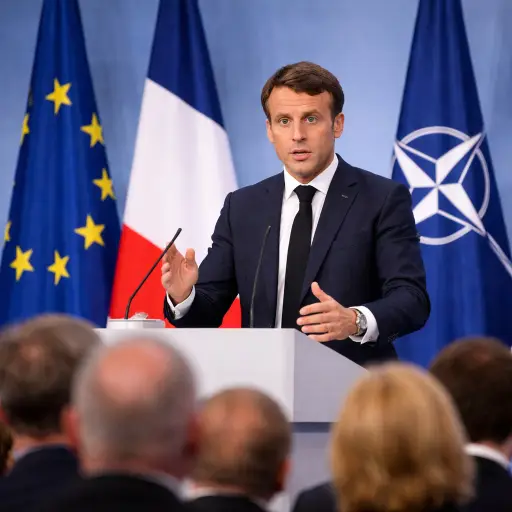
In response to the escalating crisis, an international conference was convened in London, co-hosted by the United Kingdom, France, Germany, the European Union, and the African Union. The conference aimed to mobilize humanitarian aid, resulting in pledges totaling over $2 billion. However, no Sudanese factions were invited, and peace negotiations remain stalled.
The conflict’s ramifications extend beyond Sudan’s borders, threatening regional stability and international trade routes, particularly along the Red Sea. The United Kingdom has emphasized that addressing Sudan’s crisis is not only a moral imperative but also a matter of national security.
Conclusion
Two years into the civil war, Sudan stands at a crossroads. The path to peace requires concerted international pressure on warring factions, robust humanitarian assistance, and a renewed commitment to a democratic transition. Without decisive action, the suffering of the Sudanese people will persist, and the region risks further destabilization.
Note: This article is based on information available as of April 15, 2025. For the most current updates, please refer to official news sources and humanitarian organizations.