How Chinese Automotive Brands Are Redefining Global Vehicle Aesthetics and Functionality

In recent years, Chinese car manufacturers have made remarkable strides in automotive design, transforming from industry followers to trendsetters in both aesthetics and engineering. Brands such as BYD, NIO, Geely, XPeng, and Hongqi are now competing with — and in some cases surpassing — their Western and Japanese counterparts when it comes to innovation, elegance, and consumer appeal.
This design revolution has been fueled by a new generation of Chinese designers, many of whom have been educated at prestigious institutions such as the Royal College of Art in London or ArtCenter College of Design in California. These designers are blending Western design philosophy with Chinese cultural heritage, creating vehicles that are both globally attractive and locally distinctive.
Take NIO, for example. Known for its electric SUVs and sedans, NIO combines minimalism with high-tech appeal. Its models like the ES8 and ET7 boast fluid lines, spacious futuristic interiors, and cutting-edge driver interfaces. The brand places heavy emphasis on user experience, integrating AI-powered virtual assistants and premium materials to enhance comfort and usability.
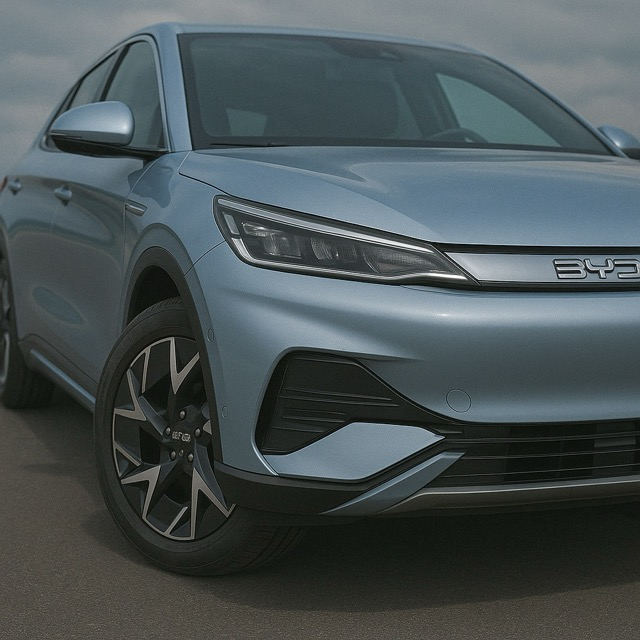
BYD, the world’s leading electric vehicle (EV) manufacturer by volume, has impressed international markets with its sleek silhouettes and futuristic styling. Its “Dragon Face” design language, created under the guidance of former Audi designer Wolfgang Egger, is a bold visual identity that differentiates it from its competitors. Models like the Han EV and Seal are now seen as symbols of China’s ambition in sustainable transport.
Geely, which owns Volvo and a stake in Mercedes-Benz’s parent company Daimler, has leveraged global partnerships to elevate its design game. Collaborations with European design studios have resulted in vehicles that embody both luxury and practicality, such as the Lynk & Co lineup, which merges Swedish minimalism with urban sportiness.
XPeng Motors has taken a more tech-centric route. Its vehicles feature clean aerodynamic lines, Tesla-inspired interiors, and cutting-edge autonomous driving systems. The P7 sedan and G9 SUV are often praised for their bold proportions and sophisticated lighting design.
Hongqi, China’s oldest car brand and once the exclusive vehicle provider for Communist Party leaders, has rebranded itself as a symbol of modern luxury. The H9 sedan and E-HS9 electric SUV exhibit an opulent design language with Art Deco influences, appealing to China’s growing base of affluent consumers.
What makes the design of these Chinese automakers excellent is not just their outward styling, but their holistic approach to innovation. Their vehicles often come packed with next-gen tech features, customizable ambient lighting, and forward-thinking ergonomics — all wrapped in visually striking packages that cater to a global audience.
In conclusion, Chinese car makers have transcended their past image as mere imitators. They are now leading with originality, backed by global talent, forward-looking design philosophies, and a bold vision for the future of mobility. As the automotive world moves toward electrification and digitalization, the spotlight is firmly on China — not just as a manufacturing powerhouse, but as a creative leader in automotive design.