Strategic Alignment and Global Implications of a Growing War Alliance
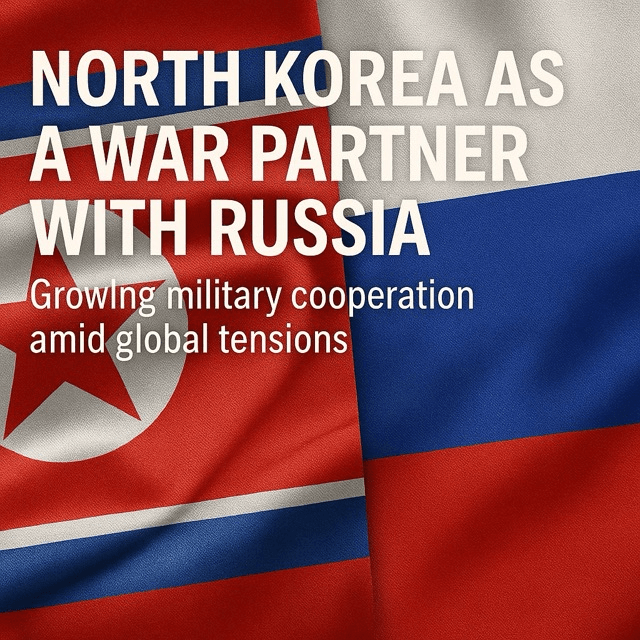
In recent years, geopolitical observers have witnessed a concerning trend: the strengthening of military and strategic ties between North Korea and the Russian Federation. Historically marked by intermittent cooperation and shared ideological legacies, the relationship between Pyongyang and Moscow has evolved into a more concrete and potentially destabilizing war partnership, especially in the wake of increasing global polarization.
The foundation for this renewed partnership lies in a mutual interest to counterbalance U.S.-led Western influence. As Russia continues its military operations in Ukraine and confronts sweeping economic sanctions, it has turned to alternative alliances for both material and diplomatic support. North Korea, long isolated and economically restricted, sees strategic alignment with Russia as a pathway to renewed relevance and leverage on the global stage.
Recent intelligence and diplomatic reports suggest that North Korea has supplied munitions, artillery shells, and possibly ballistic missiles to aid Russia’s war efforts. In return, Russia is believed to be providing advanced technologies and food aid to the economically struggling regime in Pyongyang. This transactional relationship, while pragmatic, has raised alarms within NATO, the United Nations, and among East Asian neighbors.
More than a simple exchange of resources, the evolving partnership is indicative of a broader strategic alignment. Military delegations from both countries have engaged in high-level talks, and joint rhetoric opposing Western military policies has intensified. Russian President Vladimir Putin and North Korean Supreme Leader Kim Jong-un have exchanged visits and communications that hint at a long-term vision for strategic cooperation.
The ramifications of this partnership extend beyond Europe and the Korean Peninsula. The alignment could embolden North Korea to conduct further missile tests or even provoke regional conflict, knowing it has tacit support from a nuclear-armed ally. Conversely, Russia’s increasing reliance on North Korean supplies and ideological solidarity marks a shift in its foreign policy calculus, embracing pariah states in defiance of global norms.
Furthermore, this alliance presents a diplomatic challenge to the U.S. and its allies, particularly South Korea and Japan. It may necessitate increased military readiness, the strengthening of regional coalitions, and renewed efforts at deterrence. The partnership also complicates any prospects for nuclear negotiations with North Korea, as Russian backing may reduce Pyongyang’s incentive to engage with Western powers.
In conclusion, the war partnership between North Korea and Russia represents a dangerous convergence of authoritarian interests and military ambition. It underscores the fracturing of the international order and the emergence of new axes of power that challenge global stability. As this alliance deepens, the world must prepare for the multifaceted security, diplomatic, and humanitarian implications it may unleash.

 The Tower Post