A Deep Dive into Key Manufacturers and Their Shareholders in the Growing UAV Industry
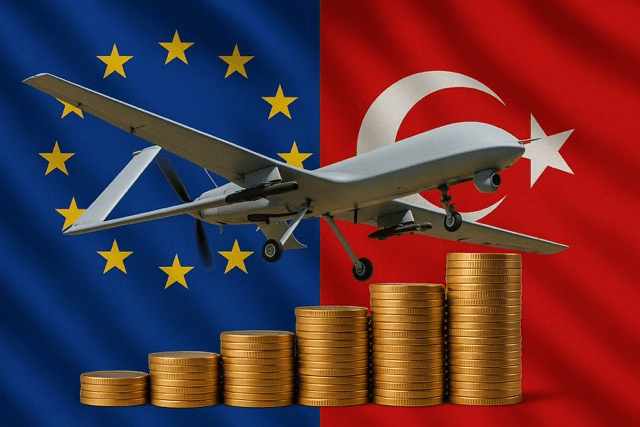
The global demand for unmanned aerial vehicles (UAVs), commonly known as drones, has surged in recent years, driven by both military operations and commercial applications. In Europe and Turkey, drone production has become a lucrative industry, attracting major investment and sparking geopolitical interest. But who really profits from this growing sector? This article explores the leading drone manufacturers in the region and examines the shareholders behind these rising defense and technology giants.
In Turkey, Baykar Technologies leads the UAV sector. Best known for its Bayraktar TB2 drone, which gained international notoriety for its role in conflicts in Libya, Syria, Nagorno-Karabakh, and Ukraine, Baykar is a privately-owned company. It was founded by the Bayraktar family, with Selçuk Bayraktar — the son-in-law of Turkish President Recep Tayyip Erdoğan — serving as its CTO. The company’s close ties to the Turkish government have helped it secure both military contracts and diplomatic influence. Though not publicly listed, Baykar’s ownership structure remains tightly controlled by the founding family.
Meanwhile, in Europe, several state-supported and private firms dominate the drone landscape. France’s Dassault Aviation and Germany’s Rheinmetall are significant players. Dassault, known for military aircraft like the Rafale, has expanded into UAVs through projects like the nEUROn combat drone. Major shareholders in Dassault include the Dassault Group (with controlling interest) and the French government via investment arms.
Germany’s Rheinmetall, another defense giant, is listed on the Frankfurt Stock Exchange. It has diversified into drone technologies both directly and through joint ventures. Shareholders include institutional investors such as BlackRock, Vanguard Group, and European pension funds. This blend of private capital and state defense procurement contracts ensures a profitable and strategic position in the market.
Italy’s Leonardo S.p.A. is another major name in the European drone sector. A publicly traded company on the Borsa Italiana, Leonardo is partially owned by the Italian Ministry of Economy and Finance, which holds a significant share. Its Falco series of drones has seen deployment in NATO operations and with UN peacekeeping forces. Key institutional investors in Leonardo include Amundi, Norges Bank, and Union Investment.
The financial returns from drone manufacturing extend beyond defense firms to tech suppliers and component manufacturers — including companies in avionics, satellite communications, and AI-based navigation. These supporting firms, often mid-sized tech players across the EU, benefit from large-scale contracts and subcontracting roles, spreading the wealth across a broader industrial base.
As Europe continues to push for defense autonomy and Turkey increases its global defense exports, UAV manufacturing is set to expand even further. The rise of public-private partnerships and state-aligned enterprises suggests that governments and politically connected elites are among the top beneficiaries. In contrast, transparency around ownership structures remains mixed, with private firms like Baykar operating in less regulated disclosure environments compared to publicly traded companies.
In conclusion, the EU and Turkish drone industries are not just about technology and security — they are also about power, profit, and politics. As the skies fill with drones, they also fill the coffers of well-positioned manufacturers and their investors.


 The Tower Post