The U.S. Cuts to USAID and the Rise of Coercive Diplomacy Raise Global Alarm — Where is Marco Rubio?

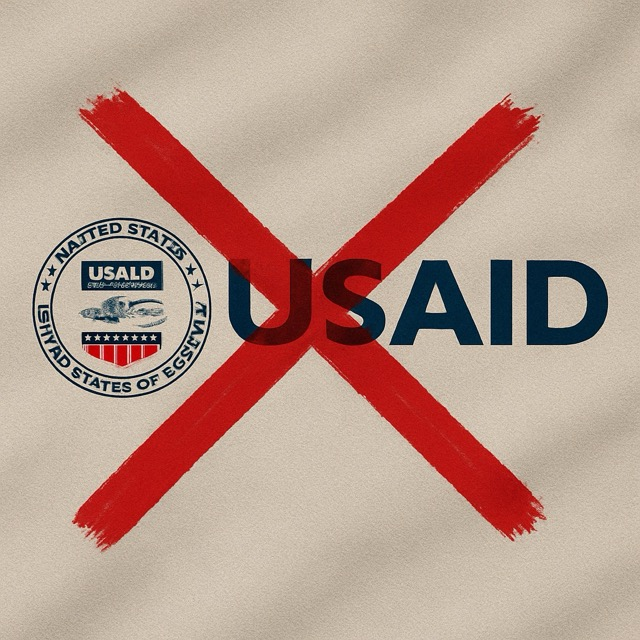
In a stark departure from decades of diplomatic tradition, the United States appears to be abandoning one of its most powerful foreign policy tools: soft power. The recent cancellation of key funding to the United States Agency for International Development (USAID) has sent shockwaves through humanitarian and diplomatic circles. This drastic move not only undermines America’s global leadership but also signals a shift toward a more coercive, transactional form of diplomacy — one that leaves the most vulnerable nations in a precarious position.
Soft power, the ability to influence through attraction, culture, and values rather than coercion, has long defined America’s presence abroad. Through USAID, the U.S. has historically funded health, education, disaster response, and democracy-building efforts in some of the world’s most fragile nations. These efforts have not only improved millions of lives but have also enhanced the U.S.’s global image and strategic standing. The withdrawal of this support threatens to unravel decades of goodwill and partnership.
Equally troubling is the rise of what many observers are calling “blackmail diplomacy.” According to recent reports, humanitarian aid is increasingly being tied to political compliance. Countries in urgent need of assistance now face impossible choices: align with specific U.S. geopolitical goals or risk being cut off from lifesaving resources. This conditional approach is undermining the ethical foundations of humanitarian support and pushing recipient nations into the arms of alternative powers like China and Russia.
Critics have been quick to point out that this strategy not only lacks compassion but also strategic foresight. It breeds resentment, weakens alliances, and gives adversaries an opening to expand their influence. Many are asking the same question: where are America’s defenders of democratic ideals? In particular, Senator Marco Rubio — a longstanding advocate for U.S. leadership and support for civil society abroad — has been conspicuously silent.
Rubio has often spoken passionately about the importance of countering authoritarianism and promoting freedom. Yet his lack of response to these budgetary and strategic shifts has sparked confusion and disappointment among allies and activists alike. In this critical moment, his voice could make a difference. Silence, in this case, is not neutrality — it is complicity.
The abandonment of USAID’s mission and the rise of conditional aid policies are more than policy changes — they are a repudiation of the values the U.S. claims to stand for. As millions face food insecurity, displacement, and conflict, the world needs humanitarian leadership grounded in empathy and shared responsibility. If the U.S. relinquishes this role, the consequences could be both immediate and long-lasting.
In the end, the question remains: is this truly the future of American diplomacy? And why, in the face of such a dramatic shift, does Marco Rubio — and others who once championed soft power — remain silent?