The highest number of active conflicts since World War II signals a deepening global crisis
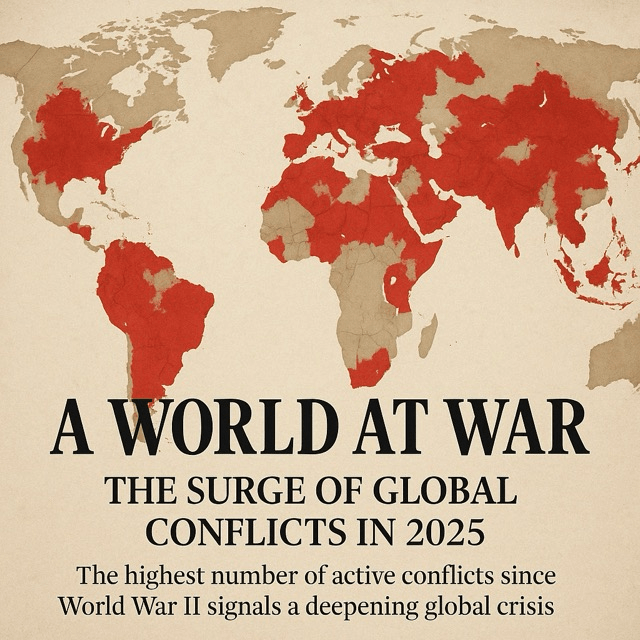
In 2025, the world is witnessing an alarming escalation in armed conflicts. According to the Global Peace Index,
there are currently 56 active conflicts worldwide, the highest number since the end of World War II.
These conflicts span continents, involving 92 countries either directly or indirectly, marking an unprecedented
level of global unrest.
The Global Landscape of Conflict
The nature of warfare has evolved, with many conflicts now characterized by internal strife, insurgencies,
and proxy wars. Major ongoing conflicts include:
– Russia-Ukraine War: Now in its fourth year, this conflict has resulted in significant casualties and widespread displacement.
– Israel-Hamas Conflict: Renewed hostilities have led to severe humanitarian crises in Gaza.
– Sudan Civil War: A devastating conflict between the Sudanese army and the Rapid Support Forces has displaced millions
and led to widespread famine.
– Ethiopian Conflict: Ethnic tensions and political instability continue to fuel violence in the region.
These conflicts are not isolated; they have regional and global implications, affecting international security,
economies, and humanitarian efforts.
Humanitarian Impact
The human cost of these conflicts is staggering. In Sudan alone, nearly 13 million people have been displaced,
with over 25 million facing acute food insecurity. Globally, the number of displaced individuals has reached
record highs, straining resources and challenging international aid organizations.
International Response and Challenges
Despite the severity of these crises, international responses have often been fragmented and insufficient.
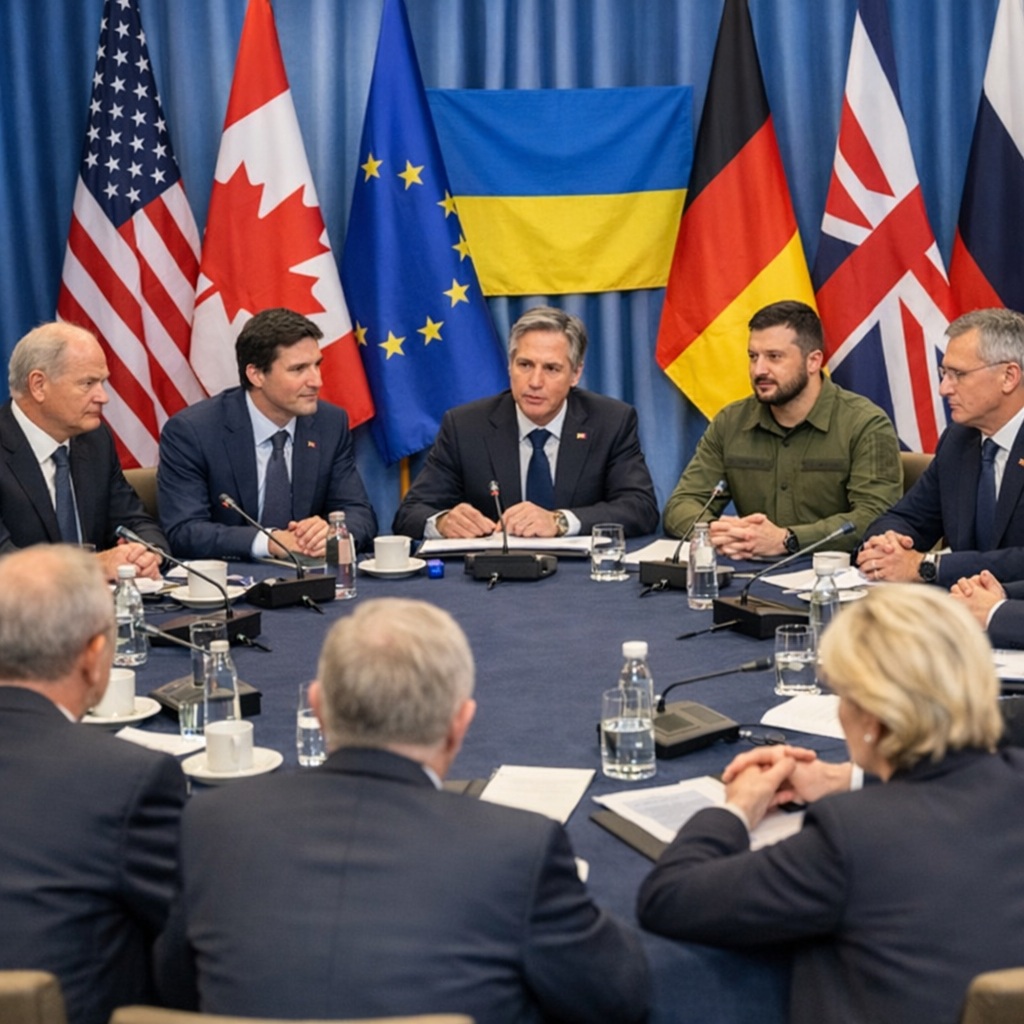
For instance, a recent summit in London aimed at addressing the Sudanese crisis failed to produce a unified strategy
or significant aid commitments. Geopolitical rivalries and national interests frequently hinder cohesive action,
allowing conflicts to persist and escalate.
Underlying Causes
Several factors contribute to the rise in global conflicts:
– Political Instability: Weak governance and power struggles often lead to internal conflicts.
– Economic Disparities: Poverty and lack of economic opportunities can fuel unrest.
– Climate Change: Environmental stressors exacerbate resource scarcity, leading to disputes.
– External Interference: Foreign involvement in conflicts can prolong and intensify violence.
Conclusion
The surge in global conflicts in 2025 underscores the urgent need for comprehensive and collaborative international
efforts to address the root causes of unrest. Without decisive action, the world risks further destabilization
and humanitarian catastrophes.



 The Tower Post