Geopolitical Shifts, Economic Dependencies, and Strategic Realignments in a New Global Era

As China continues its rapid ascent as a global power, the rest of the world is being forced to reassess and reshape its relationship with the nation. No longer just an emerging market, China has positioned itself at the heart of global trade, manufacturing, and technological innovation. This transformation is compelling countries to redefine how they engage with the world’s second-largest economy amid rising tensions, competition, and interdependence.
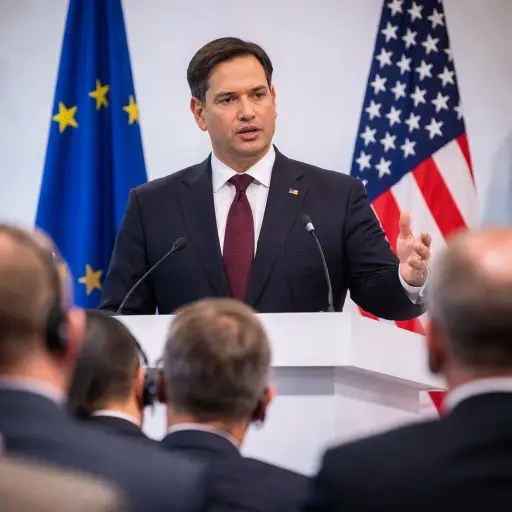
The COVID-19 pandemic, supply chain disruptions, and increasing scrutiny of China’s domestic policies—particularly regarding human rights, surveillance, and intellectual property—have all contributed to a shifting tone in international relations. Western powers, led by the United States and increasingly supported by Europe, are recalibrating their policies with the aim of reducing overreliance on Chinese goods and technology while maintaining crucial trade ties.
One of the most visible areas of this rebalancing is in the realm of semiconductors and high-tech industries. Washington’s export controls on advanced chips and manufacturing equipment are part of a broader strategy to slow China’s technological rise and preserve a strategic edge. In response, China has redoubled its efforts to develop domestic capabilities and expand its influence in regions where Western leverage is limited, such as Africa, Southeast Asia, and parts of Latin America.
Meanwhile, economic initiatives like the Belt and Road Initiative (BRI) are reshaping infrastructure and trade networks across dozens of countries. While China presents the BRI as a mutually beneficial program, critics argue it increases dependency on Beijing and undermines local sovereignty. This dichotomy is central to the global conversation about whether China’s growing clout aligns with international norms or challenges the liberal world order.
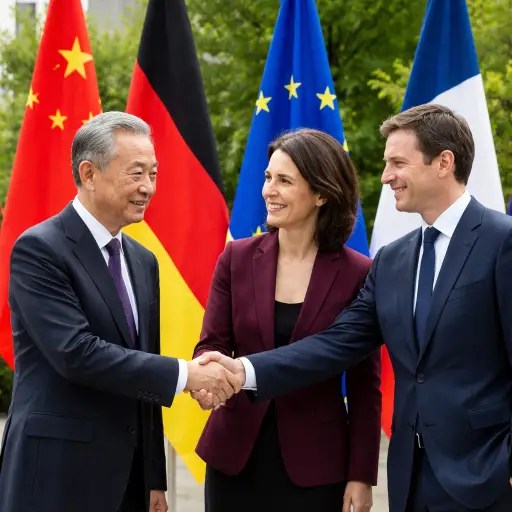
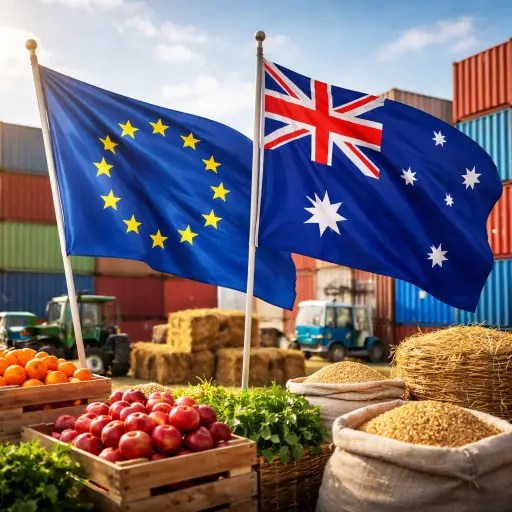
Countries such as India, Japan, Australia, and members of the European Union are taking a more nuanced approach—simultaneously engaging with China on economic fronts while bolstering their own strategic autonomy. Multilateral forums such as the Quad and the G7 are increasingly placing China at the center of their security and economic agendas, reflecting its critical role in global affairs.
Yet, a complete decoupling from China is neither practical nor desirable for most nations. China remains an indispensable player in global manufacturing and a key market for industries ranging from automotive to luxury goods. The challenge for the international community is to strike a balance—one that ensures national security and ethical standards without severing vital economic ties.
Looking forward, the reshaping of the world’s relationship with China will hinge on diplomacy, innovation, and adaptability. The choices made today will determine whether the next decade is characterized by cooperation or confrontation. As the global order continues to evolve, China’s role will remain central—but not uncontested.
In this new era, reshaping the global relationship with China is not just about redefining trade agreements or political alliances—it’s about recalibrating the rules of engagement in a multipolar world where power dynamics are constantly shifting. The future will depend on how effectively global actors can navigate this complex and consequential transformation.

 The Tower Post