An In-depth Analysis of Chad’s Internal Struggles and Regional Challenges

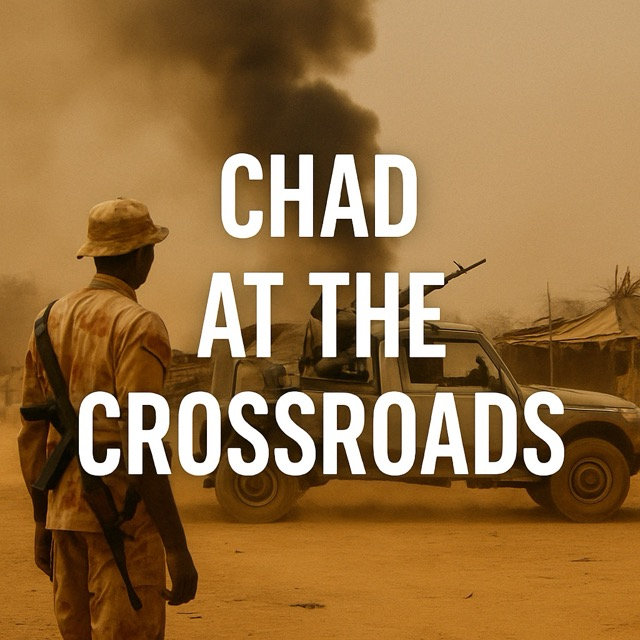
As of April 2025, Chad stands at a critical intersection of internal turmoil and regional instability. The nation has been grappling with a resurgence of rebel activity, humanitarian pressures, and the aftershocks of neighboring conflicts, most notably the ongoing war in Sudan.
The northern region of Chad continues to face incursions and attacks from the Front for Change and Concord in Chad (FACT), a rebel group that gained international attention in 2021 after launching an offensive that led to the death of President Idriss Déby. Although interim President Mahamat Idriss Déby has consolidated some control, rebel factions remain active, especially in the Tibesti and Borkou regions, regularly clashing with Chadian armed forces.
In the south, the Revolutionary Movement for Southern Chad (MRST), a newer separatist faction, has begun organizing local support for autonomy, citing decades of marginalization by the central government. Their rise reflects a broader discontent among southern communities who feel excluded from the country’s political and economic life.
Compounding these challenges is the spillover from Sudan’s civil war, which has driven nearly one million refugees across the border into eastern Chad. These refugees, primarily women and children, are in urgent need of food, shelter, and medical care. The influx has overwhelmed already strained humanitarian systems and increased tensions between local communities and the displaced populations.
Security in Chad has also been compromised by the withdrawal of French troops in late 2023. France had maintained a military presence in the Sahel for nearly a decade, supporting counter-terrorism efforts and regional stability. With their departure, extremist groups such as Boko Haram and ISIS-West Africa have begun to reassert themselves in the Lake Chad Basin, launching raids and recruiting among vulnerable youth.
In response, the Chadian military has ramped up operations in the region, but concerns persist about the capacity and human rights record of these forces. International human rights groups have reported cases of arbitrary detention and abuses during anti-insurgency campaigns.
Meanwhile, the political situation remains fragile. The promised transition to democratic rule has been delayed, with elections postponed until late 2025. Opposition leaders and civil society organizations continue to call for greater transparency and inclusion in the transition process.
Despite these daunting obstacles, Chad has received support from international partners, including the United Nations and African Union. Aid pledges and logistical support have provided some relief, though donors stress the need for political reform and stronger governance as conditions for continued assistance.
Chad’s future hinges on its ability to manage both internal and external pressures. As it balances between conflict and cooperation, the path ahead is uncertain—but not without hope.