An In-depth Analysis of the Ongoing Tensions and Efforts Toward Stability in Lebanon
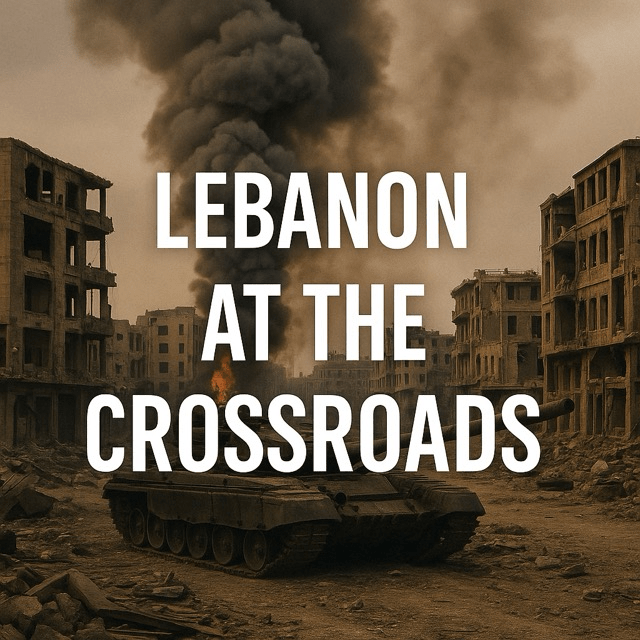
As of April 2025, Lebanon finds itself at a critical juncture following a prolonged period of armed conflict that has reshaped the political and humanitarian landscape of the country. The 14-month war, primarily involving Israel and Hezbollah, culminated in a fragile ceasefire brokered in November 2024 under the auspices of the United Nations and the European Union.
Despite the ceasefire, tensions remain high along the southern border. Israeli forces maintain a heavy presence in disputed areas near the Blue Line, citing concerns over Hezbollah’s potential resurgence. Hezbollah, for its part, continues to reject calls for full disarmament, arguing that its armed wing is a necessary deterrent against future aggression. This impasse has kept the region in a state of latent instability, with sporadic skirmishes and aerial surveillance missions reported almost weekly.
Domestically, Lebanon is undergoing a challenging process of political transition. Prime Minister Nawaf Salam, appointed in early 2025, faces a daunting task in forming a unity government capable of addressing the nation’s economic collapse and rebuilding efforts. Salam has vowed to implement anti-corruption measures and attract foreign investment, yet political infighting and sectarian divisions continue to hinder progress.
The humanitarian toll of the war has been devastating. According to the International Red Cross, over 1.2 million people have been displaced, with many still living in temporary shelters. The destruction of infrastructure, including roads, hospitals, and schools, has been widespread, and initial estimates place the cost of reconstruction at over $11 billion.
Adding to the complexity is Lebanon’s northern border with Syria, where recent clashes between Syrian rebel groups and Lebanese security forces have reignited fears of a broader regional conflict. The Lebanese army has increased patrols in the Beqaa Valley and coordinated with international forces to prevent arms smuggling and the infiltration of fighters.
Despite these challenges, there are glimmers of hope. International donors have pledged over $5 billion in aid, contingent upon political reforms and transparency in the allocation of funds. Grassroots movements across the country are advocating for democratic reforms, accountability, and a more inclusive political system.
In conclusion, while Lebanon remains embroiled in a precarious security situation, there is cautious optimism that, with international support and internal political will, the country can emerge from its current crisis and move toward a more stable and prosperous future.

 The Tower Post