The Rise of Conservative Forces and the Implications for Belgian and European Policy
Introduction
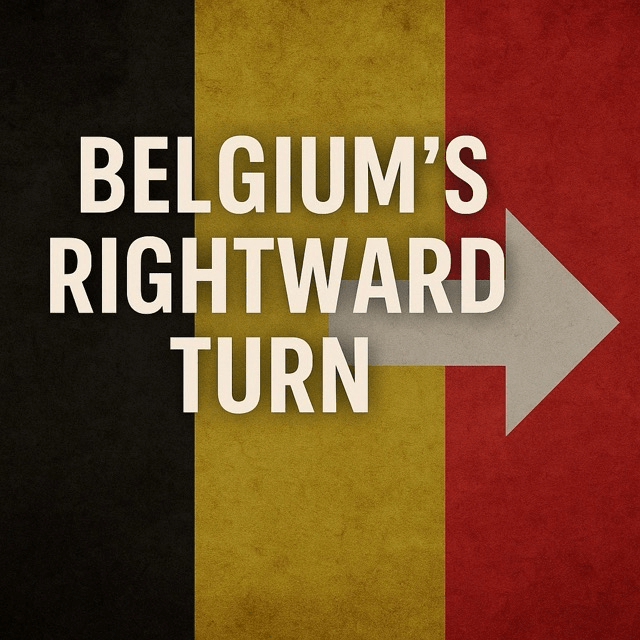
In 2025, Belgium has experienced a significant political shift with the emergence of a new right-leaning coalition dominating the federal government. Long regarded as a bastion of centrist consensus and coalition politics, the country now finds itself governed by a coalition led by conservative forces, including the New Flemish Alliance (N-VA) and other right-wing populist parties. This development marks a pivotal change in Belgian politics and may have lasting repercussions for both domestic policy and Brussels’ role within the European Union.
The Rise of the Right
The 2024 federal elections saw a surge in support for the N-VA, Vlaams Belang, and other conservative Flemish parties. Driven by concerns over immigration, national identity, economic reform, and dissatisfaction with the traditional political class, voters delivered a clear mandate for change. The right-wing bloc capitalized on growing fears over security, EU overreach, and rising living costs to galvanize support across Flanders and parts of Wallonia.
New Policy Priorities
The incoming government has announced a suite of conservative policy initiatives. Key proposals include tightening immigration controls, implementing tax reforms to reduce burdens on businesses, and prioritizing law and order policies. Critics argue that such policies risk undermining social cohesion and discriminating against minority communities. Nevertheless, the government insists that these measures are necessary to restore public trust and national sovereignty.
Tensions Within Belgium
The shift to the right has exacerbated longstanding linguistic and regional divisions within Belgium. Flemish support for nationalist parties has clashed with more progressive attitudes in French-speaking Wallonia. These internal fractures raise concerns about national unity, with some analysts speculating that the rightward shift could reignite debates over Flemish independence or deeper federal reforms.
European Implications
As the host nation of EU institutions, Belgium’s political orientation holds symbolic and practical importance for the bloc. A right-wing government may align more closely with countries like Italy or Hungary on issues of migration and national sovereignty, complicating consensus building in Brussels. At the same time, Belgium’s economic pragmatism and diplomatic tradition may temper more radical impulses and maintain its role as a bridge-builder within the EU.
Conclusion
Belgium’s rightward political shift reflects broader European trends of polarization and populist resurgence. While the new government seeks to address public concerns through decisive policy changes, it must also navigate the delicate balance of national unity and international credibility. The months ahead will test whether this new political chapter can deliver stability or further deepen the country’s divisions.
This article is based on political commentary, election results, and Belgian media reports.


 The Tower Post