How Political Policies Undermined a Vital Pillar of Social Welfare and Civic Engagement
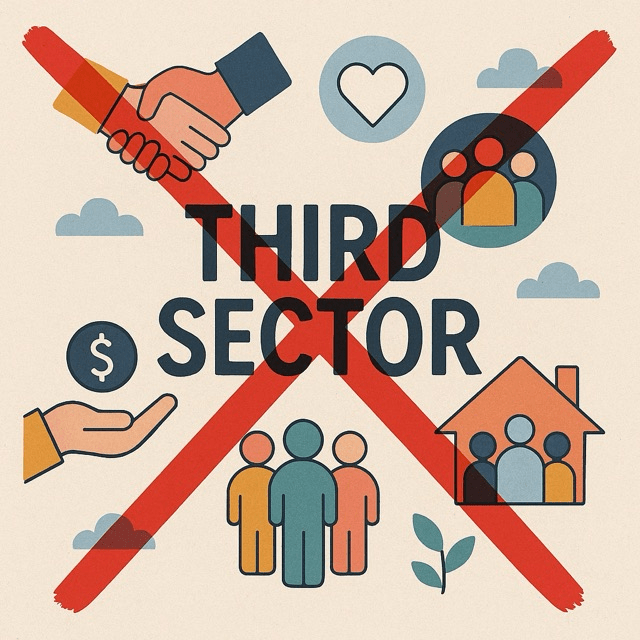
The third sector, encompassing non-profit organizations, charities, social enterprises, and other community-focused entities, plays a crucial role in supporting social welfare, advocacy, education, healthcare, and civil society engagement. In many countries, particularly the United States, this sector is a vital complement to both government and private sector activities. However, during Donald Trump’s presidency, the third sector experienced a series of challenges that severely weakened its capacity to opera…
One of the primary blows to the third sector came in the form of tax reforms introduced under the Trump administration. The 2017 Tax Cuts and Jobs Act significantly raised the standard deduction, reducing the number of taxpayers who itemized deductions and, consequently, reducing the financial incentive for charitable donations. This led to a sharp drop in giving among middle-income Americans—historically one of the most consistent donor groups. While large-scale donors continued to contribute, the overall …
Additionally, the political climate under Trump fostered widespread polarization and distrust toward non-profits perceived as liberal or aligned with progressive causes. Organizations focused on environmental justice, immigrant rights, and racial equity were especially targeted. This atmosphere not only discouraged funding but also posed risks to the safety and legitimacy of certain organizations, forcing many to shift their operations or shut down entirely.
Compounding these effects were budget cuts to key social services and public programs, which traditionally work in tandem with non-profits. As federal support for healthcare, housing, and education was reduced, non-profits found themselves overwhelmed and under-resourced. With government partnerships drying up, the third sector was expected to fill the gap without adequate tools or support.
The Trump administration also imposed restrictions on international aid and partnerships, significantly impacting NGOs operating abroad. Funding cuts to global health programs, humanitarian aid, and international development projects caused ripple effects across borders, undermining years of progress in poverty reduction and disease prevention.
In conclusion, the Trump era left a lasting impact on the third sector economy. What had once been a robust ecosystem of community care and civic action was weakened by policies that prioritized short-term economic gains and ideological agendas over long-term social cohesion. Rebuilding the third sector will require not only legislative repair and renewed public investment but also a cultural recommitment to the values of compassion, collaboration, and civic responsibility.


 The Tower Post