Behind the Scenes of a Historic Vatican Ceremony
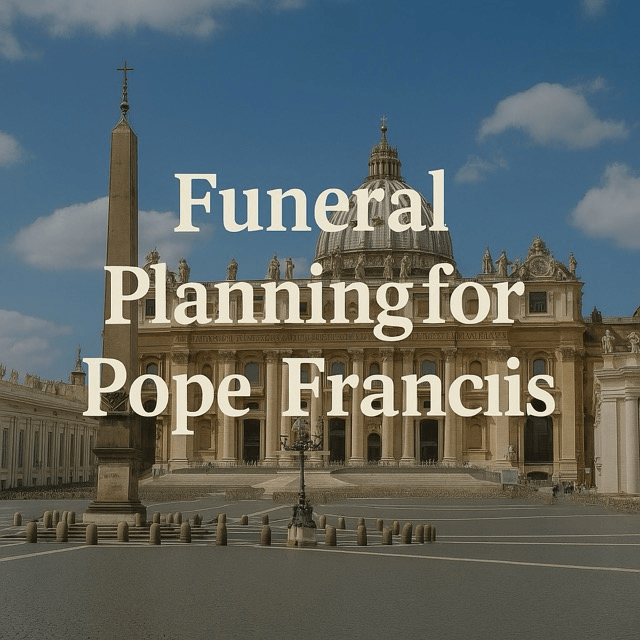
The passing of Pope Francis would mark the end of an era in the Catholic Church, and preparations for his funeral are already underway as part of detailed Vatican protocol. While the Pope is still alive, the Holy See traditionally maintains readiness for any papal death with a carefully planned series of rituals, security measures, and diplomatic coordination.
Pope Francis, the first pontiff from the Americas and the first Jesuit Pope, has had a transformative impact on the Church, emphasizing social justice, environmental stewardship, and pastoral care. His death will trigger one of the most elaborate and symbolically rich ceremonies in the world—the papal funeral, an event steeped in centuries-old traditions.
Upon the Pope’s death, the Camerlengo—currently Cardinal Kevin Farrell—will officially confirm the pontiff’s passing, initiating the period of ‘Sede Vacante’ during which the papal seat is vacant. Bells of St. Peter’s Basilica will toll, and the body of the Pope will lie in state inside the basilica, where faithful from around the world will come to pay their respects.
The funeral is expected to take place within 4 to 6 days of death and will be attended by heads of state, religious leaders, and millions of pilgrims. The Mass, traditionally held in St. Peter’s Square, will be led by the Dean of the College of Cardinals and broadcast to a global audience. Security measures will involve thousands of personnel, including Swiss Guards, Italian police, and international intelligence cooperation.
The Vatican’s Office of Liturgical Celebrations is responsible for orchestrating every liturgical element, from chants to vestments, with input from Pope Francis himself, who has previously expressed his desire for a modest ceremony. The Pope is likely to be buried in the crypt beneath St. Peter’s Basilica, where his predecessors rest.
Diplomatic coordination will be essential. Ambassadors and dignitaries from over 190 countries will need to be accommodated, and Rome will face unprecedented logistical challenges, including crowd control, transportation, and accommodations for religious delegations.
Media coverage will span the globe, with networks broadcasting the ceremony live. Vatican Radio and Vatican News will provide 24-hour updates, while Catholic communities worldwide are expected to hold parallel prayer vigils and memorial Masses.
Though Pope Francis remains in active service, the Church’s preparations underscore its commitment to continuity, reverence, and the solemn transition of leadership. The anticipated funeral will not only honor his papacy but serve as a moment of unity for the global Catholic community.

 The Tower Post