Kristalina Georgieva Sounds Alarm on Global Financial Instability Amid Economic Uncertainty

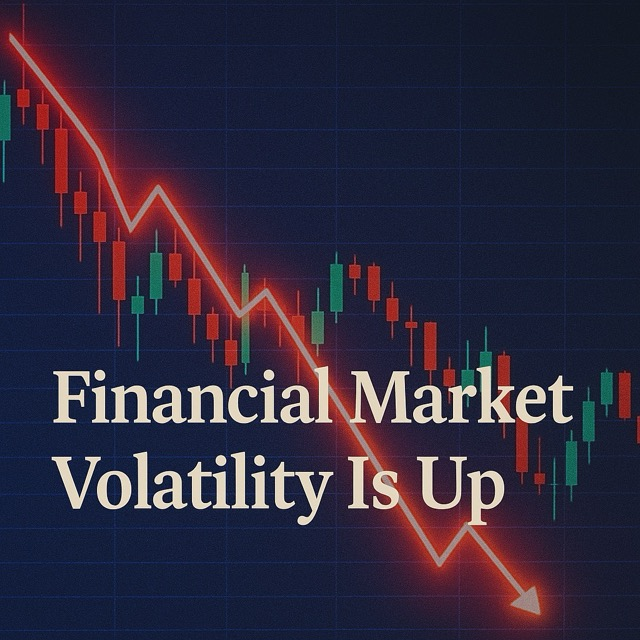
In a candid and timely statement, IMF Managing Director Kristalina Georgieva declared that ‘financial market volatility is up,’ citing a host of factors contributing to a growing sense of unease in the global economy. Her warning, issued at the IMF Spring Meetings in Washington D.C., has reverberated through financial circles as investors and policymakers brace for heightened uncertainty across asset classes.
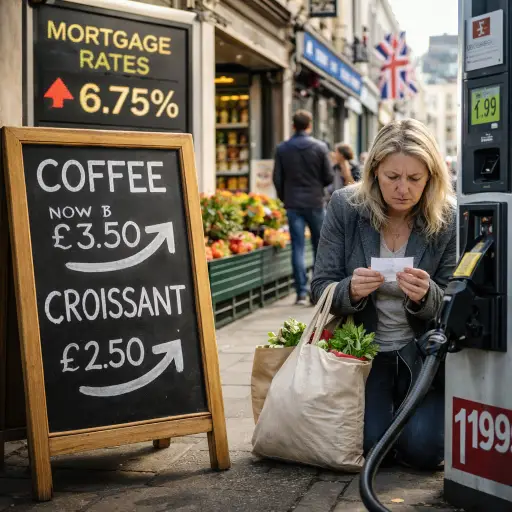
Georgieva pointed to a confluence of risks driving the uptick in volatility: persistent inflation, rising interest rates in advanced economies, geopolitical tensions, and tightening global financial conditions. The combination of these elements, she explained, is creating shockwaves in both developed and emerging markets, challenging central banks and governments alike.
Bond markets have been especially sensitive, with yields fluctuating sharply in response to shifting expectations about monetary policy. Stock markets have mirrored this instability, marked by dramatic swings in tech-heavy indices and investor flight from riskier assets. At the same time, currency markets have seen increased pressure on emerging market currencies, particularly those with high levels of external debt.
The IMF’s outlook underscores the fragility of the post-pandemic recovery. Although global growth remains positive, Georgieva emphasized that it is ‘uneven and vulnerable to shocks.’ She urged central banks to maintain clear communication strategies, while calling for stronger coordination among global financial regulators to prevent systemic disruptions.
Financial institutions are also under strain. Recent banking sector instability in parts of Europe and the U.S. has highlighted structural weaknesses and prompted calls for more robust stress testing and contingency planning. Georgieva acknowledged that while reforms since the 2008 crisis have improved resilience, ‘we are not out of the woods yet.’
The IMF is also concerned about rising debt levels. Sovereign debt distress in low-income countries continues to mount, and Georgieva reiterated the need for more efficient restructuring mechanisms and multilateral support. Higher global interest rates are compounding fiscal challenges, making refinancing increasingly difficult for vulnerable economies.
In response to the volatility, the IMF is urging countries to strengthen domestic financial regulation, build fiscal buffers, and prioritize inclusive growth strategies. Georgieva stressed the importance of safeguarding social spending, even amid budget constraints, to prevent deepening inequality and social unrest.
As markets digest the IMF’s warnings, attention will turn to upcoming central bank meetings, earnings reports, and geopolitical developments. Georgieva’s message is clear: global financial stability cannot be taken for granted, and coordinated policy responses are essential to navigating the storm.