Crackdown on Dissent Raises Alarms Over Human Rights and Rule of Law

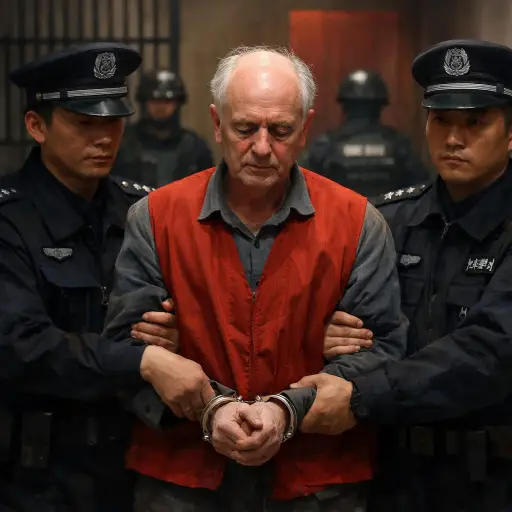
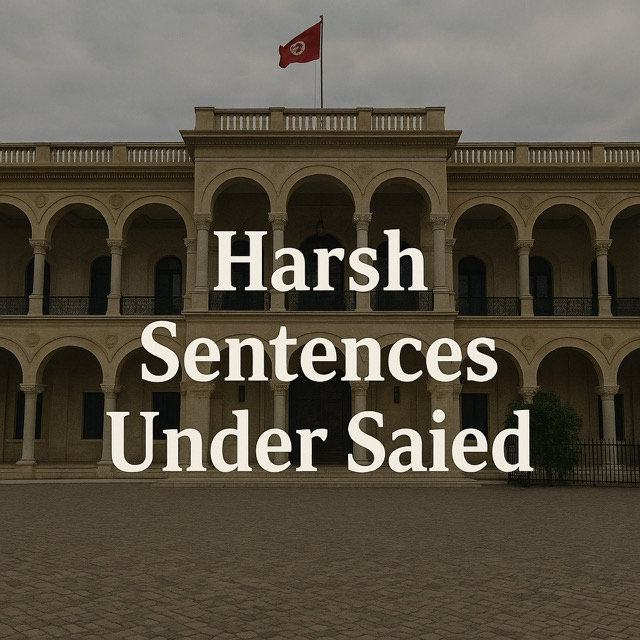
In recent months, Tunisia has witnessed a significant decline in democratic freedoms and civil liberties, with President Kais Saied increasingly resorting to authoritarian measures. Dozens of political opponents, journalists, lawyers, and civil society figures have been handed disproportionately harsh prison sentences—some exceeding a decade—for charges widely criticized as politically motivated.
Saied, who rose to power in 2019 on a populist platform, has since dissolved parliament, assumed legislative and executive powers, and rewritten the constitution through a controversial referendum. These moves have sparked widespread condemnation from international observers and human rights groups, who argue that Tunisia—the birthplace of the Arab Spring—is rapidly sliding back into autocracy.
One of the most alarming developments has been the persecution of former ministers and opposition leaders from parties like Ennahda and the Democratic Current. Accusations such as ‘plotting against state security’ and ‘spreading false information’ have been used to justify long detentions and secret trials. Defense lawyers frequently report restricted access to their clients and evidence, casting further doubt on the fairness of these proceedings.
In April 2025, a high-profile case involving Noureddine Bhiri, a senior Ennahda official, concluded with a 15-year prison sentence on charges widely believed to be fabricated. International watchdogs, including Amnesty International and Human Rights Watch, have called for his immediate release and the cessation of politically motivated trials.
President Saied maintains that these actions are necessary to preserve national stability and eradicate corruption. However, critics argue that his rhetoric masks a deeper aim: the dismantling of all institutional checks on his power. The judiciary, once relatively independent, has come under increasing pressure, with many judges dismissed or replaced by presidential decree.
Tunisians themselves remain deeply divided. While some support Saied’s efforts to ‘cleanse’ the political system, others fear the loss of hard-won freedoms. The economic crisis, worsened by inflation and youth unemployment, adds further fuel to social unrest, with protests frequently met by force and mass arrests.
The European Union and the United States have issued joint statements urging Tunisia to return to democratic norms and guarantee basic rights. Yet, tangible diplomatic consequences have been limited. Observers warn that unless pressure intensifies, Tunisia may become a cautionary tale of how democratic backsliding can occur swiftly and with little accountability.
As the international community debates its next steps, many Tunisians—particularly those behind bars for their beliefs—wait in hope that justice will eventually prevail. Whether Tunisia can reclaim its democratic promise remains an open and urgent question.