As the Catholic Church prepares for its next chapter, the inclusion of Cardinal Becciu raises uncomfortable questions about accountability and integrity
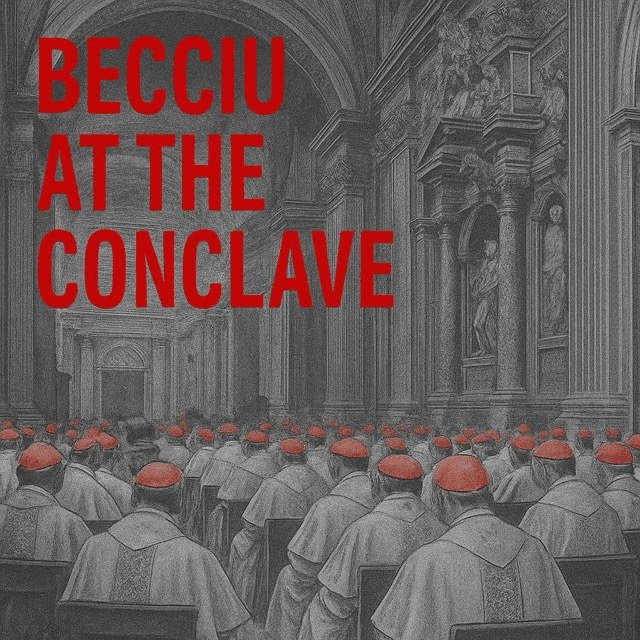
In the sacred halls of the Vatican, where every gesture is loaded with tradition and symbolism, few events carry more gravity than a papal conclave. It is here that the future of the Catholic Church is shaped — in secrecy, in solemnity, and, ideally, in unity. Yet the announcement that Cardinal Angelo Becciu will participate in the next conclave has cast a long, troubling shadow over the process. For many inside and outside the Church, his presence is not only scandalous — it is shameful.
Cardinal Becciu, once a powerful figure in the Roman Curia, fell from grace following allegations of financial misconduct and abuse of office. Although he has maintained his innocence and has not been defrocked, his trial before the Vatican tribunal — unprecedented for a cardinal — has left a stain that no amount of ecclesiastical protocol can cleanse. That he is still eligible to vote for the next Pope speaks volumes about the Vatican’s complicated relationship with transparency and reform.
For the faithful, the conclave is meant to be a holy act of discernment, not a theater of contradictions. Becciu’s involvement threatens to undermine the credibility of the very institution it seeks to protect. In an era where lay Catholics are demanding greater integrity and accountability from their leaders, the optics of a scandal-tainted cardinal entering the Sistine Chapel to cast a decisive vote cannot be overstated.
Supporters of Becciu argue that canon law still entitles him to participate, and that he remains a cardinal in full standing. But legal entitlement and moral legitimacy are not the same. The Church, more than any other institution, is measured not by what it permits but by what it represents. Allowing Becciu to take part in such a sacred process sends the wrong message at the wrong time.
This is especially problematic given the current climate of distrust toward ecclesiastical hierarchies. Pope Francis has repeatedly pledged a more transparent, accountable Church. Yet this decision appears to contradict that vision. If reform is real, it must also be visible. If accountability matters, it must apply to all — even, and especially, to princes of the Church.
As the conclave approaches, many Catholics are left with a bitter sense of disillusionment. The presence of Cardinal Becciu is not just a footnote in Church politics — it is a reflection of the unresolved tensions between tradition and change, between forgiveness and justice.
In the end, the conclave will go forward, and a new Pope will be elected. But the inclusion of Becciu will linger as a reminder that the Church still struggles with its own contradictions. And for a flock seeking leadership rooted in moral clarity, that struggle is nothing short of a spiritual crisis.



 The Tower Post