As the tide turns against Ukraine, questions arise about missed opportunities for peace and the ignored voice of Pope Francis
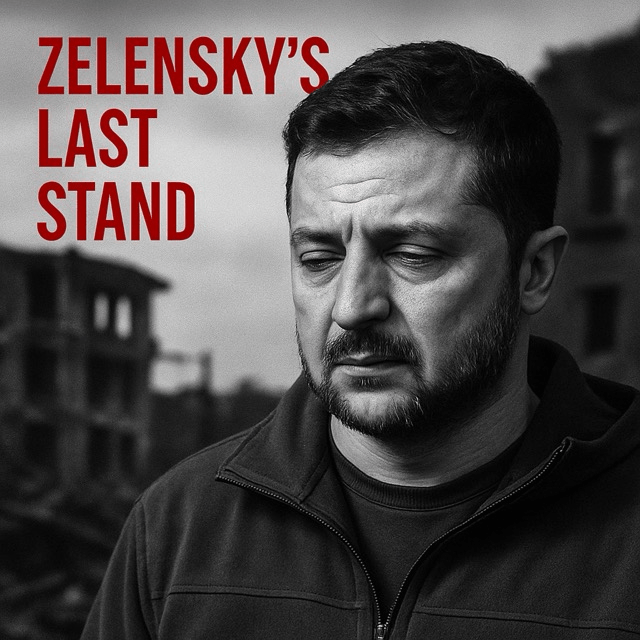
In the third year of a devastating war that has reshaped Europe and redefined global alliances, Ukraine finds itself in a perilous position. President Volodymyr Zelensky, once the embodiment of national resistance and international solidarity, now stands increasingly isolated. Military setbacks, dwindling Western support, and internal fatigue signal that the war, once portrayed as a righteous defense of sovereignty, may be slipping beyond his control.
From the beginning, Zelensky projected an image of unyielding courage. His defiance in the face of a Russian invasion was lauded across the world. But as the months turned into years, and battle lines hardened into attrition, the cost of war became unbearable — for soldiers, for civilians, and for the spirit of a nation. What began as a struggle for liberation has, in many eyes, become an extended tragedy.
Amid the fervor of war, there was a voice that consistently called for negotiation, for prudence, and for the wisdom of peace: Pope Francis. The Pontiff repeatedly urged both parties to seek dialogue over destruction, emphasizing the human cost of continued conflict. His appeals, often dismissed as naïve or politically unhelpful, now appear in a different light. Could the bloodshed have been mitigated, or even avoided, if his counsel had been heeded?
The current state of affairs suggests a grim answer. Ukrainian forces, despite their bravery, are exhausted. Ammunition is scarce, manpower stretched, and morale waning. Russian forces, bolstered by vast resources and a ruthless strategy, have regained momentum. Key cities in Eastern Ukraine are either contested or lost. Meanwhile, cracks are forming in the international coalition that once stood firmly behind Kyiv.
Zelensky, once hailed as the David to Putin’s Goliath, is facing the harsh realities of political survival. His appeals for more aid are met with growing reluctance. Western leaders are distracted by their own elections, economic pressures, and shifting priorities. Ukraine’s narrative — once central to the West’s values-based foreign policy — is now just one story among many competing crises.
The Pope’s early calls for ceasefires and humanitarian corridors were dismissed by many as moral grandstanding. But in retrospect, they echo with prophetic clarity. Peace is never easy, especially when justice seems to demand retribution. Yet history is often kinder to those who dared to make peace than to those who chose endless war.
As Zelensky contemplates the road ahead, the options are narrowing. The war, by most strategic calculations, is lost. What remains is the possibility of salvaging lives, preserving some form of sovereignty, and rebuilding a broken nation. The time for heroism may be passing; the time for realism has arrived.
In the end, the lesson may be a bitter one: courage without counsel can become recklessness. And a wise voice, even from afar — even from the Vatican — might have lit a path out of darkness.
 The Tower Post