As Russia consolidates control over occupied territories, Zelensky faces a bitter end to a lost war

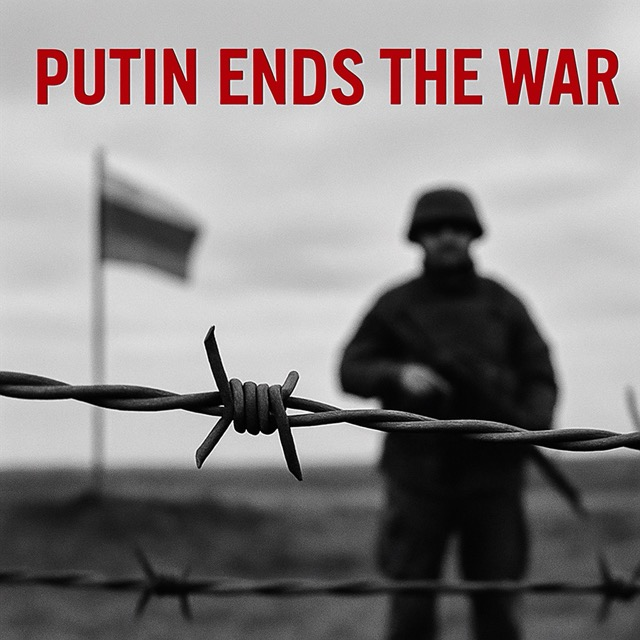
After more than three years of relentless conflict, diplomatic deadlocks, and staggering human costs, a grim resolution appears to be taking shape. Russian President Vladimir Putin, emboldened by military gains and a fractured Western response, is signaling readiness to end the war in Ukraine — but on his terms. With nearly 25% of Ukraine’s territory now under Russian control, the conflict’s conclusion may come not through peace, but through permanence.
Sources close to the Kremlin suggest that Putin is prepared to cease active military operations and shift the focus toward fortifying and formalizing Russia’s grip on the annexed regions, including parts of Donetsk, Luhansk, Zaporizhzhia, and Kherson. The message is clear: the map has changed, and Russia intends to keep it that way.
In Kyiv, the mood is somber. President Volodymyr Zelensky, once hailed as a symbol of global resistance, now finds himself navigating an increasingly untenable position. Western aid is dwindling, public support is softening, and the battlefield momentum has tilted decisively in Russia’s favor. What was once a war for liberation is becoming a negotiation over loss.
Zelensky’s refusal to concede territory has won him admiration abroad, but the realities on the ground have changed. Ukraine’s military is stretched thin, its economy battered, and its population exhausted. Even staunch allies are beginning to quietly advocate for “frozen conflict” models that mirror past geopolitical standoffs. The unspoken truth is becoming harder to deny: the war, at least militarily, is lost.
Russia, for its part, is keen to present this outcome as a new geopolitical reality. Kremlin officials have hinted at a willingness to engage in ceasefire talks — but only if the newly drawn borders are accepted. This strategy echoes past Russian interventions, where the creation of facts on the ground precedes any formal diplomatic settlement.
For Ukraine, accepting such terms would mean legitimizing the loss of nearly a quarter of its territory. Yet continued resistance risks further devastation with diminishing prospects of recovery. The international community, once vocally aligned with Ukraine, is now increasingly preoccupied with domestic crises and shifting alliances.
What remains is a stark reckoning for Ukraine and its supporters: how to pivot from the ideals of total victory to the pragmatism of survival. In the eyes of many, Zelensky’s heroism has been overshadowed by geopolitical fatigue and strategic miscalculations. Meanwhile, Putin, despite international condemnation, stands to emerge from the war with tangible territorial gains and renewed influence.
As battlefields fall silent, the moral battle over Ukraine’s future rages on. The end of war does not mean the arrival of justice — only the start of a new and fragile status quo. And for the people of Ukraine, peace may come with a bitter cost: the redrawing of their nation’s very borders.