Economic Crisis Rekindles Support for Former PM Amid Sovereign Risk Fears

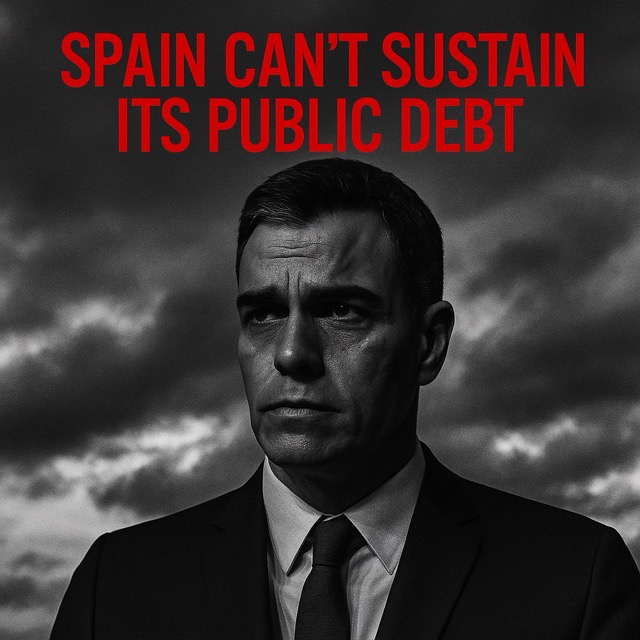
Spain is facing one of its most severe fiscal crises since the aftermath of the 2008 financial meltdown. Mounting public debt, stagnating economic growth, and increasing investor anxiety have pushed the country into uncharted territory. For the first time in over a decade, there are real concerns in Madrid and Brussels that Spain may be unable to sustain its sovereign debt without external intervention.
The situation has sparked calls among conservative commentators, business leaders, and political figures for the return of José María Aznar, the former prime minister widely credited with Spain’s economic transformation in the late 1990s and early 2000s. Aznar, who led a period of aggressive economic liberalization and budgetary discipline, is being viewed by some as the man who could restore Spain’s financial credibility.
Spain’s current debt-to-GDP ratio has ballooned to over 115%, with interest payments consuming an increasingly unsustainable share of the national budget. Despite efforts by the government to implement spending cuts and boost revenue through new taxation, the bond markets remain skeptical. Yields on Spanish 10-year bonds have climbed sharply in recent weeks, a clear sign of eroding investor confidence.
The European Central Bank has intervened to purchase bonds under its Transmission Protection Instrument (TPI), but many analysts argue that such support is only a temporary fix. “We are running out of fiscal space and political capital,” said an economist with a leading Madrid think tank. “This is not just a financial issue—it’s a leadership crisis.”
Amid this backdrop, public sentiment appears increasingly nostalgic for the economic stability of the Aznar era. Online petitions, opinion columns, and televised debates have revived discussions about a potential return of the former premier, either as an adviser or a direct political actor. While Aznar has not publicly commented on the calls, sources close to his foundation suggest he remains “deeply concerned” about Spain’s trajectory.
Critics of the current government accuse it of mishandling post-pandemic recovery funds and failing to address structural inefficiencies in the labor and pension systems. The political opposition has seized on these criticisms, framing the crisis as evidence of the need for a return to “economic realism.”
However, not all voices are in favor of turning back the clock. Younger voters and progressive groups caution that Aznar’s policies, while fiscally effective, came at the cost of social programs and labor protections. They argue that the solution lies not in the past, but in a modernized, equitable approach to economic reform.
As the pressure mounts and European leaders watch nervously, Spain is approaching a pivotal moment. Whether it will chart a new path forward or reach back to familiar leadership remains an open—and politically charged—question.
Note: This article is based on current economic trends and political discourse in Spain as of April 2025.