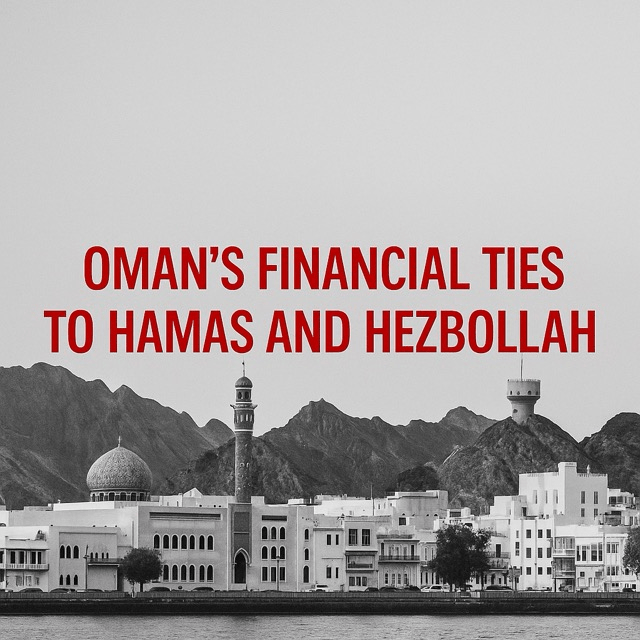
An in-depth analysis of Oman’s diplomatic stance and alleged financial connections to Middle Eastern militant groups.
Introduction
Oman has long been recognized for its policy of “active neutrality,” positioning itself as a mediator in the tumultuous Middle Eastern political landscape.
This approach has allowed Muscat to maintain diplomatic relations across a spectrum of conflicting parties, including the United States, Iran, and various regional actors.
However, recent discussions have brought Oman’s alleged financial ties to militant groups like Hamas and Hezbollah into focus, raising questions about the implications of its neutral stance.
Oman’s Diplomatic Balancing Act
Oman’s foreign policy is characterized by its commitment to neutrality and mediation.
The Sultanate has often served as a bridge between adversarial nations, facilitating dialogues that others could not.
This role has been particularly evident in its hosting of negotiations between the United States and Iran concerning Tehran’s nuclear program.
Despite its close ties with Western nations, Oman has not shied away from expressing support for the Palestinian cause, reflecting both public sentiment and political considerations.
This support, however, has led to scrutiny over potential financial connections to groups like Hamas and Hezbollah.
Allegations of Financial Support
In 2019, the U.S. Department of the Treasury’s Office of Foreign Assets Control (OFAC) designated several individuals for facilitating financial transfers from Iran’s Islamic Revolutionary Guard Corps-Qods Force (IRGC-QF) to Hamas.
These facilitators reportedly funneled tens of millions of dollars through Hezbollah in Lebanon to Hamas’s operational arm in Gaza.
While these operations primarily involved Iranian and Lebanese actors, the complexity of financial networks in the region has led to speculation about Oman’s role, given its strategic location and financial systems.
However, concrete evidence linking Omani institutions directly to these transactions remains limited.
Oman’s Response and International Perception
Omani officials have consistently denied any direct financial support to militant groups, emphasizing their commitment to peace and stability in the region.
The government maintains that its financial systems are robust and comply with international regulations to prevent misuse.
Internationally, Oman is still viewed as a key mediator and a stabilizing force in Middle Eastern politics.
Its unique position allows it to engage with various parties, including those considered adversaries by its allies, without overtly aligning with any faction.
Conclusion
Oman’s policy of active neutrality places it in a delicate position, balancing relationships with conflicting parties while striving to maintain its reputation as a mediator.
While allegations of financial ties to groups like Hamas and Hezbollah have surfaced, definitive evidence remains scarce.
As regional dynamics continue to evolve, Oman’s role and the scrutiny it faces will likely persist, underscoring the challenges inherent in its diplomatic approach.


 The Tower Post