A Critical Analysis of Neo-Fascist and Neo-Nazi Resurgence Across the Globe

As the world commemorates eighty years since the end of the Second World War, the rise of far-right ideologies in countries once devastated by fascism and Nazism raises urgent questions. How have ideologies that were universally condemned in 1945 managed to return to political discourse, gain electoral ground, and influence policy in modern democracies?
Europe, the epicenter of WWII, has seen an alarming resurgence of far-right parties. In Germany, the Alternative für Deutschland (AfD) has become one of the country’s most influential political forces. Though it officially distances itself from Nazi ideology, its rhetoric on immigration, nationalism, and “German identity” often echoes the language of the Third Reich. In Italy, the country that gave rise to fascism under Mussolini, the Brothers of Italy (Fratelli d’Italia) party—led by Prime Minister Giorgia Meloni—traces ideological roots to post-war neofascist movements, even if presented in a more modern, conservative frame.
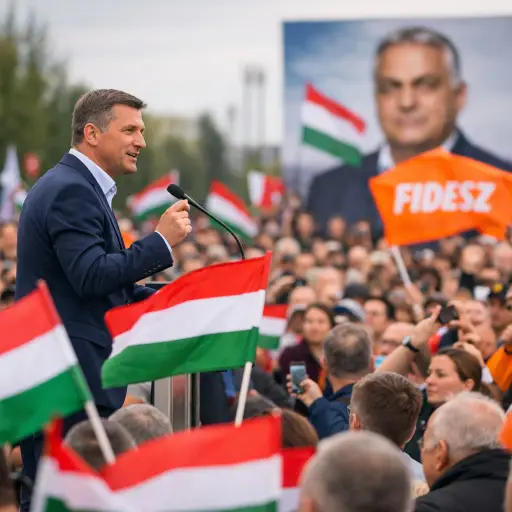
In Hungary and Poland, right-wing populist governments have taken strong nationalist and anti-immigrant stances. Hungary’s Fidesz party under Viktor Orbán openly embraces the idea of an “illiberal democracy,” while Poland’s Law and Justice (PiS) party has promoted conservative Catholic nationalism. Though not explicitly neo-fascist, these parties often tap into historical revisionism and xenophobic narratives.
France has also seen the rise of the National Rally (formerly National Front), led by Marine Le Pen. The party has attempted to rebrand itself as a mainstream conservative force, but its origins lie in anti-Semitic and nationalist ideologies, and many of its supporters still hold far-right views. In Spain, the Vox party has embraced national-Catholic nostalgia for Franco’s regime.
Outside Europe, the United States has witnessed the rise of white nationalist groups emboldened during the Trump administration. While American democracy remains resilient, events like the Charlottesville rally and the January 6 Capitol riot demonstrate how extremist ideologies can mobilize violent action even in well-established systems.
In Latin America, countries like Brazil have seen the far-right rise through populist figures such as Jair Bolsonaro, who often referenced the country’s military dictatorship in a positive light. Meanwhile, in Eastern Europe and parts of the Balkans, far-right militias and political parties glorify fascist collaborators of WWII.
The return of these ideologies is complex. Globalization, migration crises, economic inequality, and digital echo chambers have created fertile ground for far-right narratives. Social media allows for rapid dissemination of disinformation and historical revisionism, which often blurs the lines between patriotism and extremism.
Despite these developments, resistance remains strong. Civil society movements, democratic institutions, and international watchdogs continue to push back against authoritarian tendencies. The key lies in education, historical memory, and a renewed commitment to democratic values.
As we mark the eightieth anniversary of the end of WWII, the world must remain vigilant. The resurgence of neo-fascist and neo-Nazi ideologies is not just a European issue—it is a global warning. Democracy is never guaranteed; it must be actively defended, every generation.