Political Stability at Home, Economic Uncertainty Abroad

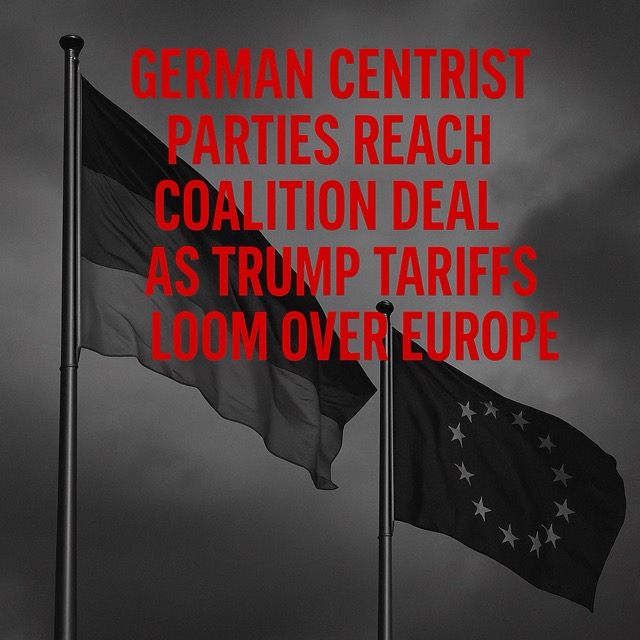
As Europe braces for renewed economic turbulence, Germany’s centrist parties have reached a critical coalition agreement aimed at preserving domestic stability amid external threats. The deal, struck between the Christian Democratic Union (CDU), the Social Democrats (SPD), and the Free Democrats (FDP), signals a unified front in a moment of looming transatlantic tensions, especially with the specter of new tariffs from Donald Trump’s administration.
After weeks of intense negotiations, the coalition deal centers on promoting economic resilience, green innovation, and social cohesion. Leaders from all three parties emphasized the need to bolster Germany’s manufacturing base and export-driven economy, sectors that would be directly impacted by potential U.S. tariff hikes. Olaf Scholz, Chancellor and leader of the SPD, noted, “This coalition stands for strength at home and confidence abroad. We will protect German industry and defend European values.”
The timing of the coalition could not be more critical. Trump’s return to aggressive trade rhetoric, particularly threats to impose steep tariffs on European automobiles and machinery, has rattled EU economies. For Germany, Europe’s largest economy and a major exporter of high-end cars and industrial equipment, such tariffs would deal a significant blow.
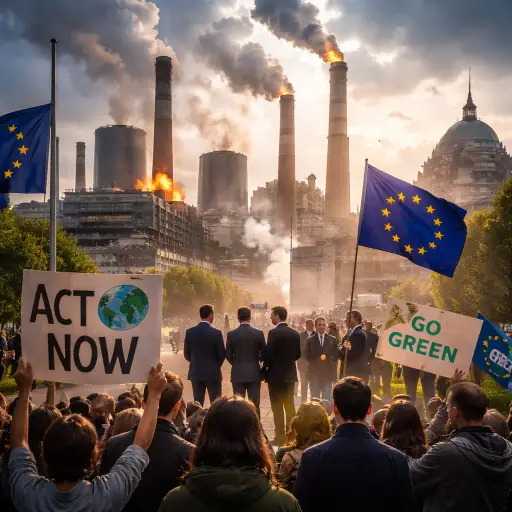
The coalition agreement outlines proactive measures: increasing public investment in green technologies, expanding trade partnerships beyond the U.S., and reinforcing support for European Union economic initiatives. Christian Lindner of the FDP stressed the importance of diversifying Germany’s economic alliances. “We must not be overly dependent on any one market,” he said.
The deal also includes social reforms aimed at maintaining the centrist appeal of the government, such as moderate tax relief for the middle class, expanded childcare programs, and investments in digital infrastructure. These policies are designed not only to strengthen the economy but also to inoculate the political center against the growing popularity of far-right and populist movements.
While the coalition promises domestic stability, external challenges loom large. European leaders are contemplating a coordinated response should Trump’s tariffs materialize. Ursula von der Leyen, President of the European Commission, has called for “firm but measured” countermeasures to protect EU industries while preserving diplomatic channels.
Markets have reacted cautiously but positively to the German coalition news, with the euro gaining slightly against the dollar. Analysts warn, however, that much depends on the upcoming U.S.-EU negotiations. If tariffs are implemented, Europe could slide into a deeper economic slowdown, testing the resolve and unity of the new German government.
As Germany steps into this uncertain landscape, the centrist coalition offers a message of resilience and pragmatism. It remains to be seen whether these qualities will be enough to weather the economic storms ahead, but for now, Germany’s political center has held firm against the winds of disruption.