In 18 Months, Europe Faces an Unprecedented Political Paradox
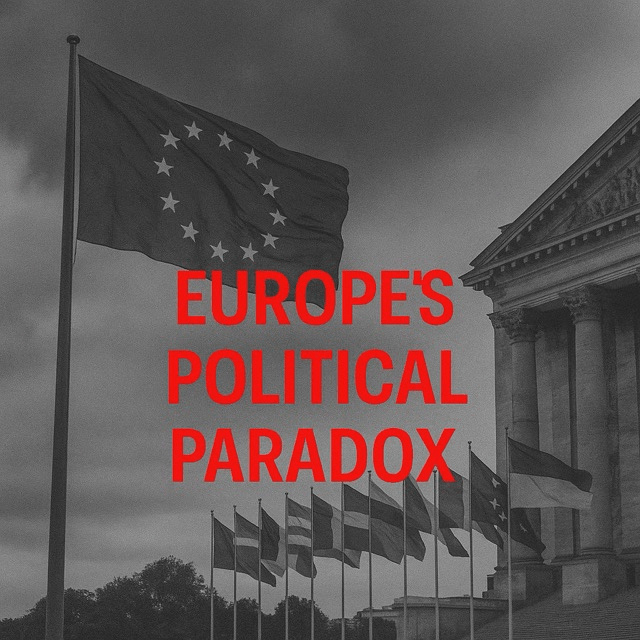
Europe is heading towards a historic political paradox. Within the next 18 months, analysts predict the emergence of a left-leaning European Union government, while 22 out of 27 national governments across the continent are expected to be firmly under right-wing leadership. This looming scenario paints a picture of a politically fragmented Europe, with contrasting visions for its future playing out simultaneously at the supranational and national levels.
The recent momentum behind right-wing parties at the national level is undeniable. Across Italy, Sweden, Hungary, Poland, and other countries, center-right and far-right parties have capitalized on public concerns about immigration, economic instability, and national sovereignty. Voters disillusioned with traditional centrist parties are increasingly turning to right-leaning alternatives promising stronger borders, economic protectionism, and a return to “national values.”
Conversely, at the European level, progressive forces are mobilizing to shape a new agenda. Rising public demand for social justice, green transition policies, and protection of civil liberties is fueling a resurgence of left-wing and center-left parties within the European Parliament. Coalition-building among Greens, Socialists, and Liberal groups is positioning the left to secure leadership roles within EU institutions, despite right-wing dominance at home.
This divergence sets the stage for potential conflicts between the EU government and its member states. Brussels may push for stronger environmental regulations, expanded human rights protections, and deeper European integration, while national governments prioritize sovereignty, security, and economic nationalism. The tension could complicate policymaking, delay reforms, and strain the already fragile trust between EU citizens and institutions.
Historically, political alignment between Brussels and member states has been crucial for effective governance. The emerging disconnect threatens to paralyze key initiatives, from climate action to migration policy, and could further embolden Eurosceptic movements. If left unresolved, it risks deepening the divide between European institutions and the populations they serve.
Yet, there are opportunities amid the challenges. A left-leaning EU government could act as a counterbalance, defending minority rights, democratic norms, and cross-border cooperation at a time when national governments might increasingly adopt inward-looking policies. Meanwhile, the right-wing surge at the national level underscores the need for EU institutions to engage more directly with citizens’ concerns about identity, security, and economic opportunity.
In conclusion, Europe’s political future appears poised for a delicate balancing act. The continent’s leftward drift at the European level, contrasted with a powerful rightward surge nationally, will define the political dynamics of the coming years. Navigating this unprecedented situation will require dialogue, pragmatism, and a renewed commitment to the European project.


 The Tower Post