Behind closed doors, a quiet cardinal plays a decisive role in shaping the future of the Catholic Church
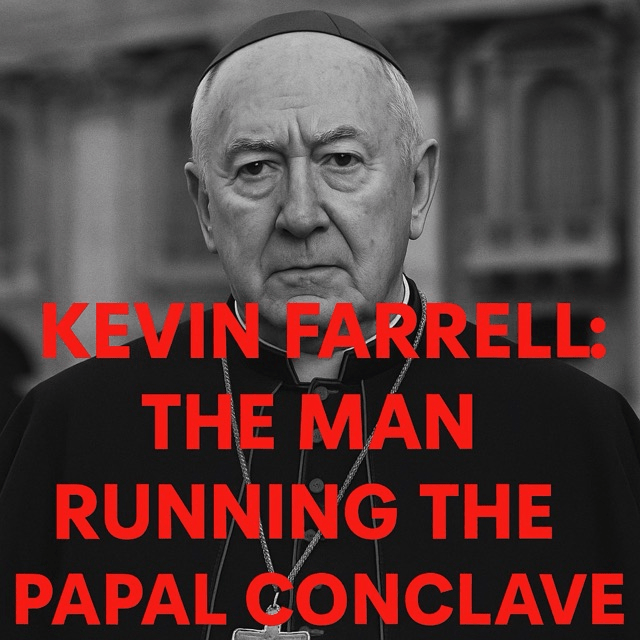
As the global Catholic Church braces for the election of a new pope, all eyes have turned toward Cardinal Kevin Farrell, the Irish-American prelate quietly but firmly steering the most sacred and consequential process in the Church: the papal conclave. Known for his administrative acumen, diplomatic finesse, and personal loyalty to Pope Francis, Farrell’s influence behind the scenes is becoming increasingly pivotal.
Cardinal Farrell serves as the Camerlengo of the Holy Roman Church, a role that takes on historic significance during a sede vacante—the period between papacies. His responsibilities are vast: securing the Vatican, overseeing the logistical and ceremonial aspects of the conclave, and ensuring the integrity of the process that will ultimately reveal the next Bishop of Rome. While the cardinals cast the votes, it is Farrell who ensures that the Church’s centuries-old traditions are honored and executed witho…
Farrell’s leadership style is marked by quiet authority and an emphasis on collegiality, traits that have earned him respect across ideological lines. In a time when factions within the College of Cardinals are increasingly vocal—between reformists and traditionalists—Farrell’s neutral demeanor and firm commitment to order are seen as assets to preserving unity and focus during a potentially contentious election.
Born in Dublin and later naturalized as an American citizen, Farrell previously served as Bishop of Dallas and was appointed by Pope Francis to lead the Dicastery for the Laity, Family and Life. His broad international experience and pastoral grounding provide him with a unique perspective on the global Church and its diverse needs.
As Camerlengo, Farrell also holds the symbolic keys to continuity. He supervises the daily affairs of the Vatican in the absence of a pope and organizes the general congregations where the cardinals gather before entering the conclave. It is a role of immense pressure and visibility—one that tests both spiritual fortitude and political dexterity.
Observers note that Farrell’s ability to navigate the tension between transparency and confidentiality will be crucial. The Church is under intense scrutiny, and the conclave must both preserve its sacred mystery and respond to the faithful’s call for integrity, renewal, and vision.
Though Farrell himself is not seen as a papal candidate, his proximity to power places him in the heart of history. The cardinals will enter the Sistine Chapel in silence, but it is Farrell’s voice, through instruction and coordination, that will echo through its hallowed halls.
In this moment of transition, Cardinal Kevin Farrell embodies the delicate balance between tradition and transformation. As the conclave draws near, it is not only the next pope who will shape the future of Catholicism—but also the man trusted to guide the Church through the threshold of change.


 The Tower Post