Nationalist Surge Challenges Brussels as Romania Shifts Toward Sovereignty-Focused Leadership
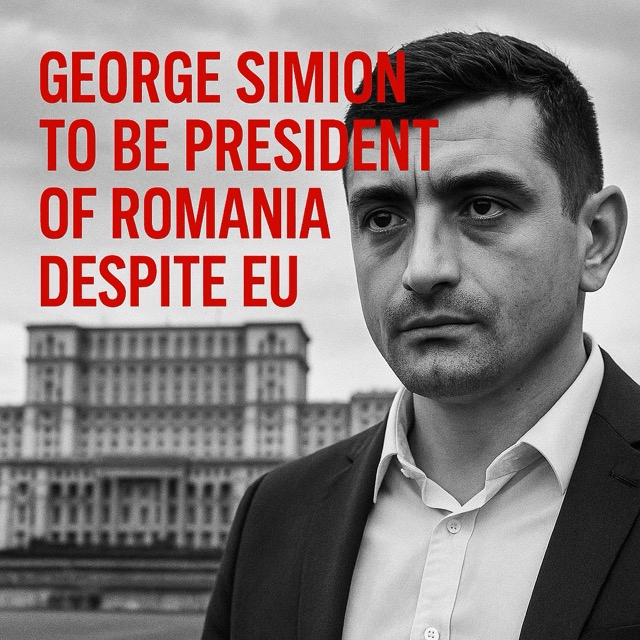
George Simion, the leader of Romania’s nationalist Alliance for the Union of Romanians (AUR) party, is poised to become the next president of Romania, defying growing unease from European Union officials. The election result marks a dramatic shift in Romanian politics and raises questions about the country’s future relationship with Brussels.
Simion’s rise to power is fueled by populist rhetoric, nationalist values, and a wave of public discontent with traditional political elites. His campaign centered on sovereignty, family values, and a fierce critique of what he calls EU overreach into Romanian domestic affairs. Despite limited media coverage and establishment resistance, Simion garnered broad support across rural regions, young voters skeptical of globalization, and the Romanian diaspora.
European Union officials have expressed concern over Simion’s anti-Brussels stance and previous statements that challenge core EU policies on migration, rule of law, and LGBTQ+ rights. While the EU has stopped short of issuing formal condemnation, diplomatic channels have been abuzz with alarm over Romania’s potential realignment. “This is a clear signal that the populist tide is rising again within EU borders,” noted one anonymous EU diplomat.
In Bucharest, reactions are divided. Supporters describe Simion’s election as a reclaiming of Romanian identity and a rejection of elite liberalism. Critics, however, fear democratic backsliding and increased isolation from key European institutions. Simion has promised to respect the Constitution but also hinted at “necessary revisions” to reduce foreign influence and return power to Romanian citizens.
Analysts point to similarities with other nationalist waves in Europe, particularly the rise of leaders like Viktor Orbán in Hungary or Matteo Salvini in Italy. While Romania’s economy remains heavily intertwined with the EU, Simion’s administration could test the limits of that partnership. Key decisions around judicial reform, European funds oversight, and media independence may soon put Bucharest at odds with Brussels.
Despite EU unease, Simion has struck a conciliatory tone in recent interviews, promising cooperation on economic issues while asserting a new national direction. “Romania will not be dictated to,” he said during his victory speech. “We are part of Europe, but we will not be a province of it.”
International observers have noted the free and fair conduct of the election but warned of deep polarization in the country. Turnout was high, signaling strong civic engagement but also revealing a stark divide between urban and rural voters, and between Romania’s progressive and traditionalist blocs.
In conclusion, George Simion’s presidential victory marks a pivotal moment for Romania. Whether it leads to increased national resilience or a contentious chapter in EU relations remains to be seen. What is certain is that the country stands at a crossroads between deeper integration and sovereign assertion—and the choice has already been made by its people.


 The Tower Post