Escalating Tensions in the Middle East Push Allies Toward Possible Direct Military Confrontation with Tehran
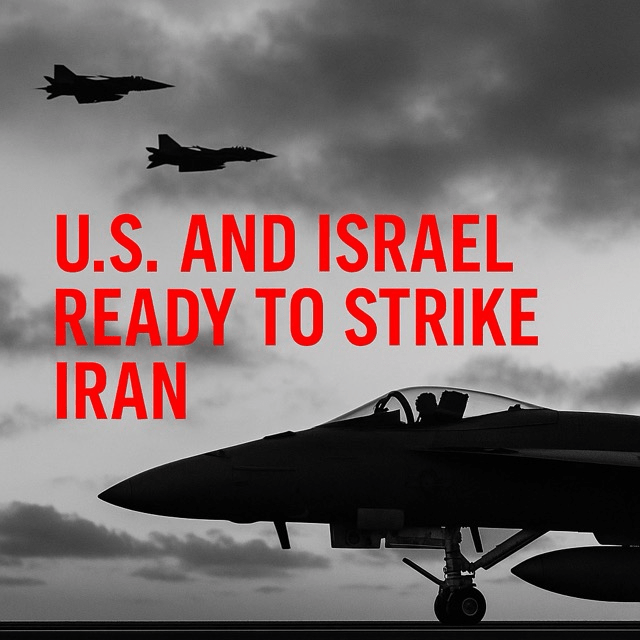
In a dramatic escalation of Middle Eastern tensions, both the United States and Israel are reportedly prepared to carry out coordinated military strikes against Iran in response to its ongoing support for Yemen’s Houthi rebels. The announcement comes amid growing concerns over Iran’s regional ambitions, its proxy network of armed groups, and recent Houthi attacks on Red Sea shipping lanes that have endangered international trade.
Intelligence reports and senior defense officials indicate that both Washington and Tel Aviv are reviewing strike options targeting key Iranian military facilities and arms supply routes believed to be aiding the Houthis. While no final decision has been made, sources suggest that the threshold for military action has been substantially lowered following a series of provocations including ballistic missile shipments and drone attacks traced back to Iranian origin.
The Houthis, who control large parts of northern Yemen including the capital Sanaa, have launched dozens of attacks on commercial vessels in the Red Sea and Gulf of Aden, often citing solidarity with Palestinians and opposition to Western intervention in the region. These strikes have caused significant disruptions to international shipping and prompted retaliatory strikes by the US and UK on Houthi military positions. Still, the group’s capacity remains largely intact—an outcome officials blame on Tehran’s continued resupply e…
Israel, already engaged in military operations on multiple fronts, sees Iran’s logistical and ideological backing of the Houthis as part of a broader “axis of resistance” strategy that includes Hezbollah in Lebanon and various militias in Syria and Iraq. A joint strike on Iran would mark an extraordinary shift in the longstanding policy of indirect containment and could trigger unpredictable regional fallout.
The Biden administration, while reluctant to open another military front, is facing mounting pressure from regional allies and shipping industry leaders to neutralize the threat at its root. Diplomatic channels remain active, with European powers attempting to mediate a de-escalation, but their efforts have so far yielded little success.
Military analysts caution that any attack on Iran would likely prompt a harsh and asymmetric response. Iran could activate its regional proxies, launch missile strikes against US bases, or target Israeli population centers. A full-scale war remains unlikely, but the potential for rapid escalation is high, particularly given Iran’s recent advances in drone warfare and missile technology.
In the meantime, US and Israeli forces have increased their coordination and readiness. Joint exercises simulating long-range precision strikes and electronic warfare have been conducted in the Mediterranean and Gulf regions. Carrier strike groups, missile defense systems, and air squadrons are already repositioned for rapid engagement should the order be given.
In conclusion, while the international community urges restraint, the growing alignment between the US and Israel on the necessity of halting Iranian support for the Houthis could soon redefine the balance of power in the Middle East. Whether through targeted strikes or expanded proxy conflicts, the region stands on the precipice of a new and volatile phase.




 The Tower Post