A Transatlantic Power Shift in the Food Delivery Industry
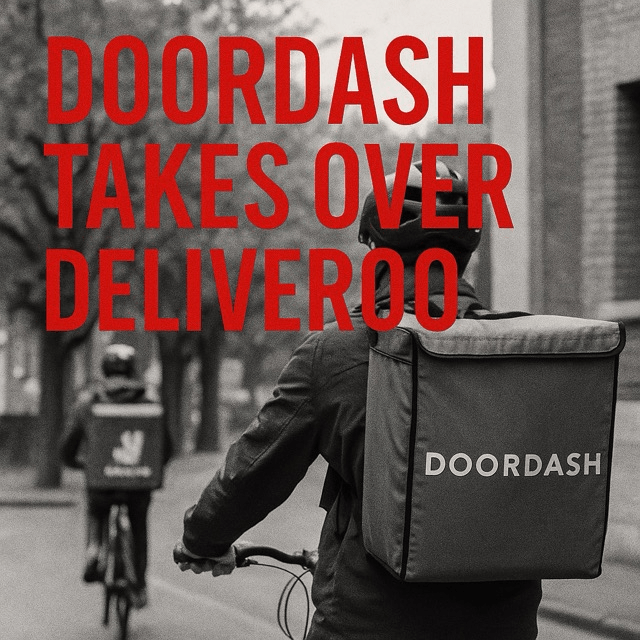
In a monumental move that reshapes the global food delivery landscape, U.S.-based DoorDash has officially acquired British delivery giant Deliveroo. The takeover, valued at approximately $8.5 billion, marks a major consolidation in an industry that has grown exponentially over the last decade but is now under pressure to achieve sustainable profitability.
DoorDash’s acquisition of Deliveroo signals its ambitions to dominate the international market and expand its presence far beyond North America. Deliveroo, founded in London in 2013, has built a robust network across Europe, the Middle East, and parts of Asia-Pacific. Combining that with DoorDash’s operational strength and capital base provides a formidable platform poised to challenge Uber Eats, Just Eat Takeaway, and other global rivals.
According to executives from both companies, the merger will allow for technological synergies, enhanced delivery efficiency, and better service for consumers and restaurant partners alike. Tony Xu, CEO of DoorDash, described the acquisition as “a pivotal step in building the most reliable and scaled logistics platform for local commerce globally.”
However, the deal also raises questions about competition, market saturation, and the fate of local players. Regulatory scrutiny is already underway in the UK and EU, with antitrust bodies evaluating whether the merger reduces choice for consumers and negatively impacts independent restaurants. In parallel, labor advocates are voicing concerns about the future of gig workers’ rights, particularly as DoorDash is known for its lean, app-driven delivery model.
From a financial standpoint, DoorDash is betting big on its ability to drive profitability through scale and innovation. Deliveroo has long struggled to reach profitability despite strong brand recognition and market penetration. Analysts suggest that DoorDash’s resources, data infrastructure, and aggressive investment style could unlock new value—if integrated carefully.
For customers, the impact may be more immediate. Enhanced app functionality, broader menu offerings, and shorter delivery times are expected. Meanwhile, restaurants might benefit from improved order management and access to a larger customer base—but they may also face higher commission fees and tighter contract terms.
As the food delivery space becomes increasingly consolidated, the DoorDash–Deliveroo merger could represent a watershed moment for the industry. Whether this takeover will lead to improved service and long-term profitability—or spark new waves of disruption—remains to be seen. What’s certain is that the landscape of digital food logistics just changed, and the ripple effects are already beginning to spread.




 The Tower Post