Rising Tensions and Strategic Shifts in South Asia
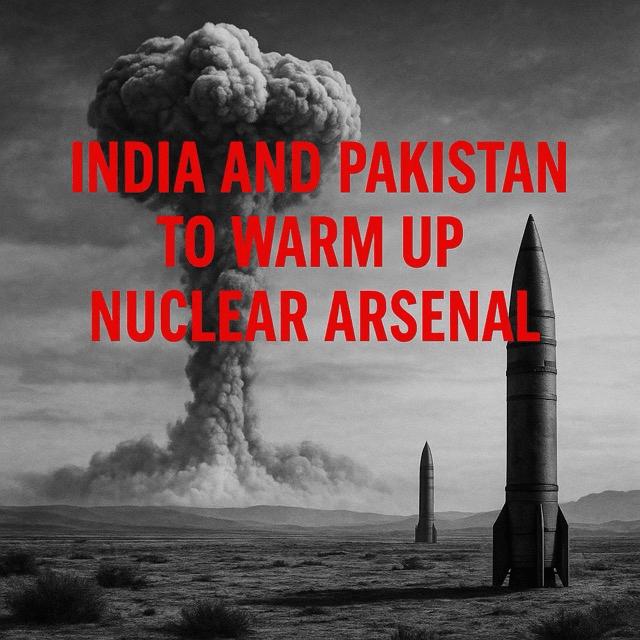
Amidst growing geopolitical instability and shifting alliances, both India and Pakistan appear to be recalibrating their nuclear postures. Recent reports indicate that the two long-time rivals are taking concrete steps to modernize and expand their respective nuclear arsenals, sparking renewed concerns about a regional arms race in South Asia.
India, driven by strategic competition with China and an increasingly assertive Pakistan, has intensified its efforts to develop more sophisticated nuclear delivery systems. This includes trials of longer-range ballistic missiles, as well as advances in submarine-launched capabilities. At the same time, New Delhi has signaled a shift from its traditionally cautious nuclear stance, suggesting a potential rethinking of its “no first use” policy.
Pakistan, meanwhile, has also been active in reinforcing its deterrence posture. Analysts point to Islamabad’s focus on tactical nuclear weapons and increased fissile material production as part of a broader effort to maintain strategic balance with India. The Pakistani military establishment continues to emphasize the role of nuclear weapons in offsetting conventional disadvantages.
This parallel buildup comes amid a backdrop of intermittent border skirmishes, diplomatic standoffs, and an overall erosion of bilateral trust. While neither side appears eager for open conflict, the modernization of nuclear capabilities on both fronts raises the stakes for any future escalation—intentional or otherwise.
International observers have expressed concern that the continued expansion of nuclear capabilities could undermine efforts toward regional stability. As both countries deepen their reliance on nuclear deterrence, the margin for miscalculation narrows. Confidence-building measures and renewed dialogue are urgently needed to prevent a dangerous spiral.
In the absence of a bilateral arms control framework and with the global non-proliferation regime under strain, India and Pakistan’s nuclear trajectories will remain a key point of scrutiny. The coming months may prove critical in determining whether strategic competition gives way to renewed confrontation—or cautious cooperation.



 The Tower Post