Germany Takes a New Turn with a Bold Foreign Policy Move
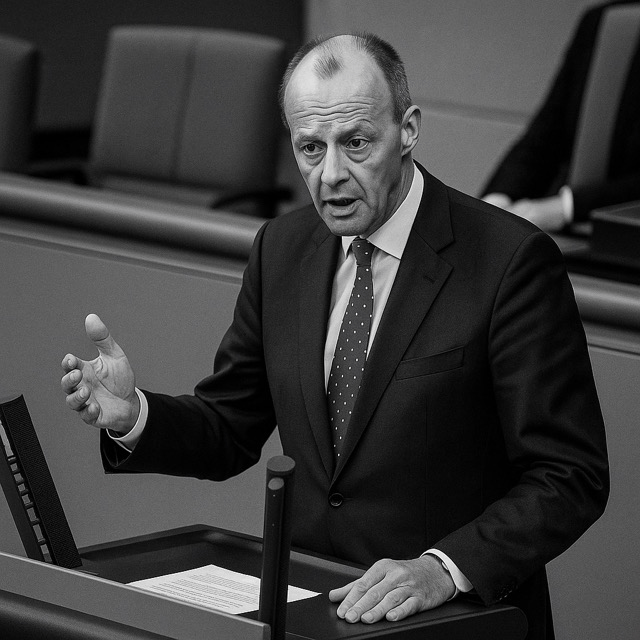
In a decisive and symbolic gesture, Friedrich Merz began his term as Germany’s Chancellor with a sweeping foreign policy initiative aimed at reasserting the country’s influence on the global stage. In his first official act, Merz announced a comprehensive security and economic support package for Eastern European allies, signaling a marked shift from the more measured, multilateral approach of his predecessors.
At a press conference in Berlin, Merz declared that “Germany must rise to meet the responsibilities of its leadership role in Europe.” He outlined plans to increase defense spending, streamline military procurement, and enhance energy independence through expanded partnerships beyond Russia. The move was widely interpreted as a response to growing concerns over regional security and Berlin’s past dependence on Russian gas.
Merz’s policy pivot includes immediate support for Ukraine, Moldova, and the Baltic states—nations facing continued pressure from Moscow. The package involves direct financial aid, humanitarian assistance, and the deployment of Bundeswehr advisors to reinforce NATO coordination efforts. Though welcomed in Eastern Europe, the decision has triggered criticism from some domestic parties wary of overreach and increased militarization.
Analysts view this assertive opening move as consistent with Merz’s campaign rhetoric, which emphasized national resilience, transatlantic ties, and an unapologetic stance on sovereignty. While not abandoning EU solidarity, the new Chancellor appears intent on redefining Germany’s role as a power with strategic autonomy.
On the economic front, Merz is also proposing reforms aimed at boosting innovation, cutting bureaucracy, and attracting foreign investment. These domestic priorities are closely tied to his foreign agenda, as he argues that economic strength is essential for geopolitical credibility.
Initial reactions from France and the United States were cautiously optimistic, noting Germany’s stronger tone on deterrence and energy diversification. However, questions remain about implementation, especially in light of political divisions within the Bundestag and among Germany’s coalition partners.
As Merz settles into office, his first act sets the tone for what many expect to be a more proactive and unyielding German leadership. Whether this approach will translate into long-term influence or provoke greater friction remains to be seen. What is clear, however, is that under Merz, Germany is stepping into a new, more assertive chapter in its postwar history.


 The Tower Post