Germany’s Mittelstand Continues to Drive Innovation, Stability, and Global Competitiveness
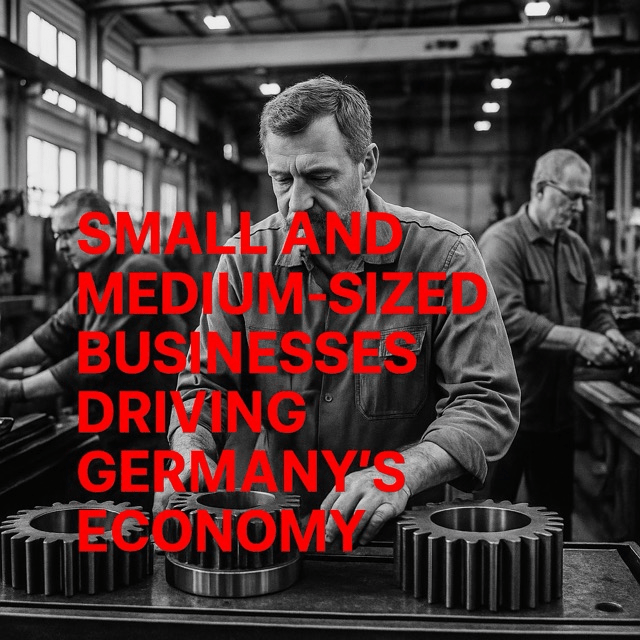
Germany’s economic prowess is not solely the product of massive industrial giants like Volkswagen or Siemens. Instead, the true backbone of the country’s economy lies in its vibrant and highly specialized network of small and medium-sized enterprises, collectively known as the Mittelstand. Representing over 99% of all German companies, these businesses are essential to employment, innovation, and regional development.
The term “Mittelstand” refers not only to size—typically companies with fewer than 500 employees and annual revenues below €50 million—but also to a specific business culture. These firms are often family-owned, regionally rooted, and committed to long-term sustainability over short-term profits. This model has proven remarkably resilient, especially during times of crisis.
In the aftermath of the COVID-19 pandemic, it was Germany’s small and medium-sized businesses (SMEs) that adapted quickly, pivoted operations, and maintained employment. Whether manufacturing precision tools, designing custom software, or exporting niche products, SMEs have demonstrated their capacity to innovate and remain competitive on a global scale.
A defining feature of the Mittelstand is its commitment to apprenticeships and vocational training. Many SMEs run their own training programs, blending classroom education with hands-on experience. This dual system not only supplies skilled labor but also builds loyalty and a strong work ethic. Germany’s exceptionally low youth unemployment rate is, in large part, thanks to these programs.
Another strength lies in Germany’s dense network of local banks and public institutions that provide tailored financing solutions to SMEs. Sparkassen and cooperative banks play a pivotal role in supporting regional businesses, offering credit based on long-standing relationships and deep local knowledge.
Innovation also thrives in the Mittelstand. These companies often lead in niche markets, investing heavily in research and development. According to a 2024 report by the Federal Ministry for Economic Affairs, more than 60% of patents filed in Germany originate from SMEs. Their ability to focus deeply on specialized areas gives them a competitive edge internationally.
Despite their strengths, SMEs face challenges. Digital transformation, labor shortages, and global competition require constant adaptation. Many businesses are investing in AI, automation, and sustainable production methods, but access to digital talent remains a concern. Moreover, rising energy costs and complex regulatory frameworks can strain resources.
To address these challenges, the German government has launched a series of support initiatives, including tax incentives for digital investment, reduced bureaucracy programs, and expanded broadband infrastructure in rural areas. Efforts are also underway to enhance access to export markets and reduce dependency on single-country supply chains.
The resilience of the Mittelstand is evident in its contribution to Germany’s GDP, employment, and exports. These firms account for nearly 60% of jobs and more than 40% of Germany’s total economic output. Their deep integration into local communities also fosters regional stability and cohesion.
Looking ahead, the success of Germany’s economy will continue to rely on the vitality of its SMEs. As they embrace digital innovation and sustainability while staying rooted in tradition, these companies will remain at the heart of Europe’s largest economy—quietly but powerfully driving growth from the ground up.




 The Tower Post