A Closer Look at Cardinal Robert Prevost’s Journey to the Papacy
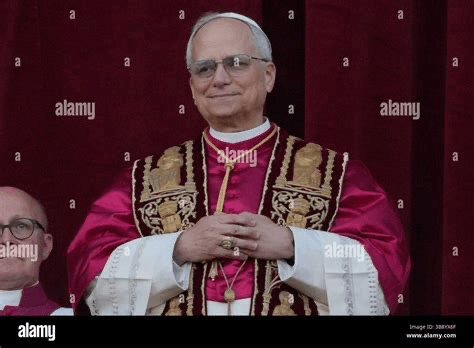
With the recent election of Cardinal Robert Francis Prevost as the new Pope, the world is turning its attention to a man whose quiet humility and deep theological knowledge have long influenced the inner workings of the Catholic Church. Known for his pastoral care, global vision, and commitment to reform, Pope Leon XIV is poised to bring a new chapter to the Vatican.
Born in Chicago in 1955, Cardinal Prevost joined the Order of St. Augustine and was ordained a priest in 1982. His early years were marked by missionary work in Peru, where he spent more than a decade serving impoverished communities and establishing theological education programs. His fluency in Spanish and deep empathy earned him wide respect among Latin American clergy and laity alike.
After returning to the United States, Prevost rose through the ranks of the Augustinian order, eventually becoming its prior general. In 2014, Pope Francis appointed him Bishop of Chiclayo, Peru, where he championed social justice initiatives, advocated for indigenous rights, and worked to restore trust in the Church amid ongoing scandals.
Prevost’s intellectual rigor is also noteworthy. He holds a doctorate in Canon Law from the Pontifical Catholic University of Salamanca and has taught at various institutions. His scholarly work often centers on ecclesiology, pastoral leadership, and the evolving role of bishops in modern society.
In 2023, he was appointed Prefect of the Dicastery for Bishops, a critical post that oversees episcopal appointments worldwide. His balanced approach and reputation for integrity earned praise within the Curia and among reformist circles. By 2024, his name began to surface more frequently as a potential successor to Pope Francis.
The recent conclave, convened after the resignation of Pope Francis due to health reasons, selected Prevost after just two days of deliberation. Sources inside the Vatican suggest that his global experience, moderate tone, and reputation for bridging divides played key roles in his election.
As Pope, Robert I is expected to focus on transparency, greater inclusion, and reinforcing the Church’s role in addressing global crises, from climate change to migration. His background suggests a leader capable of synthesizing tradition with renewal—a man rooted in doctrine but responsive to modern challenges.
Reaction to his election has been broadly positive. Church leaders in Latin America and the United States praised his commitment to grassroots ministry. “He understands the people,” said Archbishop José Gomez of Los Angeles. “He has lived with them, prayed with them, and led them with compassion.”
Within the Vatican, some conservatives express caution, wary of further reforms. However, even critics acknowledge Prevost’s reputation for prudence and dialogue. “He’s not a radical,” said one Vatican official, “but he knows change is necessary.”
As the world watches the early days of his papacy, one thing is clear: Pope Robert I brings a unique blend of pastoral warmth, doctrinal depth, and cross-cultural experience to the See of Peter. Whether navigating internal Church reforms or engaging with global issues, the new Pope stands as a figure of both hope and continuity.
The road ahead is not without challenges, but if his past is any indication, Cardinal Prevost’s journey to the papacy is just the beginning of a thoughtful, transformative tenure.

 The Tower Post