High-Level Dialogue Aims to Stabilize Bilateral Economic Relations Amid Global Uncertainty
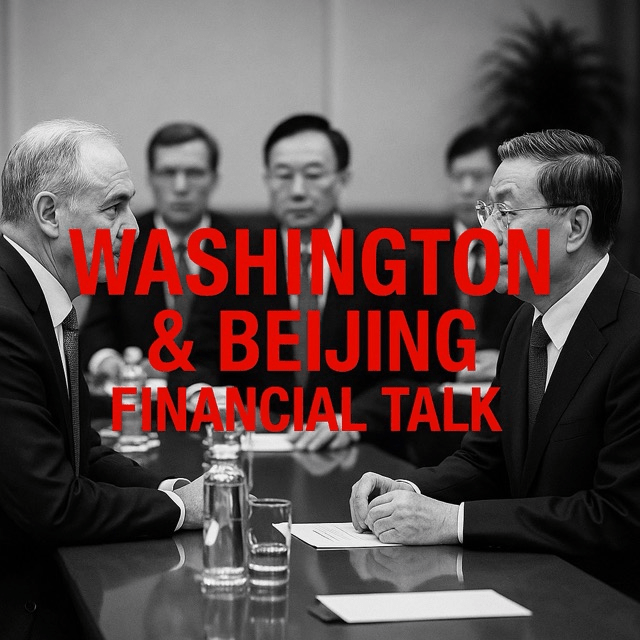
In a critical moment for global economic stability, senior officials from the United States and China met in Washington D.C. this week for a new round of high-level financial talks aimed at reducing tensions and fostering cooperation between the world’s two largest economies. The meetings come at a time of heightened geopolitical rivalry, trade imbalances, and concerns over inflation, supply chain resilience, and digital currency development.
Led by U.S. Treasury Secretary Janet Yellen and Chinese Vice Premier He Lifeng, the dialogue was described as “constructive and candid” by both sides. Over two days of intensive discussions, the delegations tackled a wide range of issues, including exchange rate policy, debt relief for developing nations, climate finance, and transparency in financial markets.
While no major breakthroughs were announced, both countries agreed to maintain open lines of communication and establish a joint working group to monitor financial risks and regulatory developments. The establishment of this mechanism was seen as a positive step toward managing the complexities of the U.S.-China economic relationship without escalating tensions.
The talks also addressed sensitive topics such as tariffs imposed during the previous U.S. administration, export controls on semiconductor technologies, and China’s growing investment in emerging markets. American officials emphasized the need for a “level playing field” and greater protection of intellectual property rights, while Chinese representatives stressed the importance of non-discriminatory policies and mutual respect for sovereign decisions.
Market reactions were cautiously optimistic. Global stocks rose modestly following statements from both capitals affirming their intention to avoid economic decoupling. Analysts say that while deep structural differences remain, the mere fact that dialogue continues is a reassuring signal for investors and businesses worldwide.
The meetings were held under the broader framework of the U.S.-China Economic and Financial Working Group, which was revived in 2023 to reduce friction and promote transparency. This group includes representatives from the Federal Reserve, the People’s Bank of China, the U.S. Securities and Exchange Commission, and China’s Ministry of Finance, among others.
In a joint press briefing, Yellen reiterated that “responsible economic stewardship requires ongoing engagement,” and warned of the risks posed by unilateral actions in an interdependent global economy. Vice Premier He responded by calling for “fair and rules-based financial cooperation,” emphasizing China’s commitment to multilateralism.
Outside the official meetings, business leaders and economists gathered for a parallel forum hosted by the Brookings Institution and Tsinghua University. Panelists called for clearer frameworks for data governance, green finance initiatives, and cooperation on AI-related financial applications. The forum highlighted the growing role of technology in shaping future monetary policy and financial stability.
As tensions over Taiwan, the South China Sea, and cybersecurity remain flashpoints in the broader bilateral relationship, financial cooperation is seen as one of the last bastions of pragmatic engagement. Observers caution, however, that progress will be incremental and subject to shifts in domestic politics and global events.
In the coming months, both sides plan to continue working group sessions and consider a follow-up summit during the G20 meeting later this year. As global markets brace for continued volatility, the world will be watching whether Washington and Beijing can turn cautious dialogue into durable cooperation.


 The Tower Post