Escalating Military Drills and Political Rhetoric Raise Global Alarm
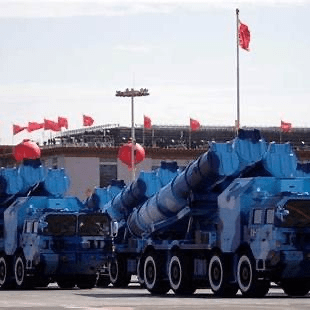
Tensions between China and Taiwan have reached an unprecedented level in recent months, with military analysts and intelligence agencies warning that a full-scale invasion may be imminent. Beijing has dramatically increased its naval and air force exercises in the Taiwan Strait, while simultaneously heightening rhetoric on the necessity of “reunification” with what it regards as a breakaway province.
Satellite imagery and insider reports indicate a significant buildup of Chinese military assets along the eastern coast, including amphibious landing craft, missile batteries, and long-range bombers. China’s Defense Ministry has refused to confirm invasion plans, stating instead that its exercises are “routine” and meant to deter foreign interference.
However, the international community is increasingly skeptical. The United States has reiterated its commitment to defend Taiwan under the Taiwan Relations Act, and military assets including carrier strike groups have been repositioned in the Indo-Pacific. Japan, Australia, and several EU nations have condemned China’s aggressive posturing, warning that any move against Taiwan would lead to massive geopolitical consequences.
Taiwanese President Tsai Ing-wen has vowed to defend the island’s sovereignty at all costs, urging citizens to prepare for “every possible scenario.” In a recent address, she appealed to international allies for continued support, emphasizing Taiwan’s critical role in global semiconductor production and democratic resilience in Asia.
In addition to military measures, cyberattacks and disinformation campaigns linked to Chinese state actors have surged, targeting Taiwanese infrastructure and public morale. Experts believe this digital warfare is a precursor to a potential kinetic strike, aimed at softening resistance before a physical invasion.
Diplomatic efforts to de-escalate the crisis have thus far failed. U.S.-China talks in Geneva ended without agreement, and Beijing’s refusal to engage directly with Taiwanese officials complicates any path to peaceful resolution.
Analysts suggest that the upcoming Chinese Communist Party Congress may be a critical inflection point. Xi Jinping, seeking to solidify his legacy, may view “resolving the Taiwan issue” as essential. As the world watches anxiously, the stakes have never been higher.
A military confrontation over Taiwan could reshape the global order, destabilize markets, and trigger widespread conflict. The next few months will be crucial in determining whether diplomacy can prevail over confrontation.



 The Tower Post