The Aesthetic of the Past is Influencing the Designs of Today
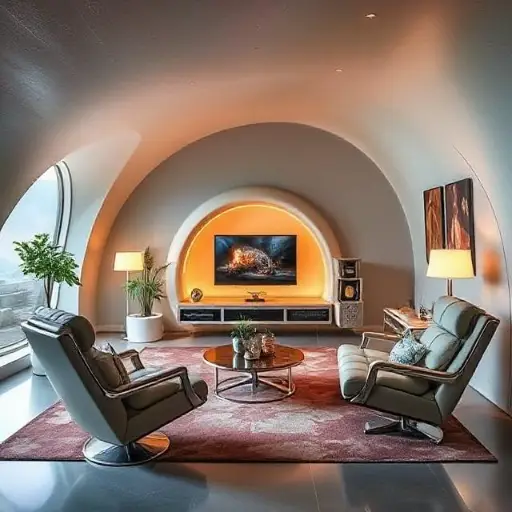
The space-age aesthetic, once a staple of 1960s and 1970s design, is experiencing a resurgence in popularity.
From the sleek lines of vintage furniture to the futuristic architecture of sci-fi movies, the style is being rediscovered and reinterpreted by designers and manufacturers around the world.
The origins of space-age design date back to the first space race, which began in the late 1950s with the launch of the Soviet satellite Sputnik. As the world watched in awe as humans ventured further into space, designers began to reflect this new era in their work. Eero Aarnio’s 1963 Pallo or Ball Chair, with its futuristic shape and modernist aesthetic, became an iconic symbol of the space-age movement.
The trend accelerated with the moon landing in 1969, and space-age design became a staple of popular culture. From David Bowie’s Space Oddity to JVC’s space-helmeted Videosphere television, the style was everywhere. Designers considered how people might live in space, and created furniture and objects that were both functional and futuristic.
One of the key factors contributing to the popularity of space-age design was the availability of new materials, such as plastic, which had been developed during World War II. Designers like Joe Colombo and Verner Panton used these materials to create innovative and futuristic designs that embodied the spirit of the space age.
The peak of space-age design was in the immediate aftermath of the moon landings, when global mainstream interest injected a massive shot of energy into the movement. Designers created sprawling and heroic sofas, modular seating arrangements, and other statement pieces that could belong in a Lake Como villa or on a space station orbiting the moon.
Today, space-age design is experiencing a revival, driven by a sense of nostalgia and a new sense of competition. The market for space memorabilia has grown exponentially, with items like Buzz Aldrin’s Apollo 11 jacket selling for millions of dollars. Designers are drawing inspiration from the past, creating new and innovative designs that reflect the pioneering sensibility of the space age.
As we approach the second space age, with Nasa’s Artemis program set to return humans to the moon in 2027, designers are creating a vision of new ways of living that are entirely unhindered by the baggage of what went before. The work of Chinese-born designers like Peng Zheng and Eason Zhu is pushing the boundaries of space-age design, creating vibrant and futuristic designs that are influencing the designs of today.
The space-age aesthetic may be a relic of the past, but its influence on modern design is undeniable. As we look to the future, it’s clear that the style will continue to evolve and inspire designers and manufacturers around the world.




 The Tower Post