A marathon negotiation session yields a breakthrough trade deal, marking a pivotal step in post-Brexit transatlantic relations
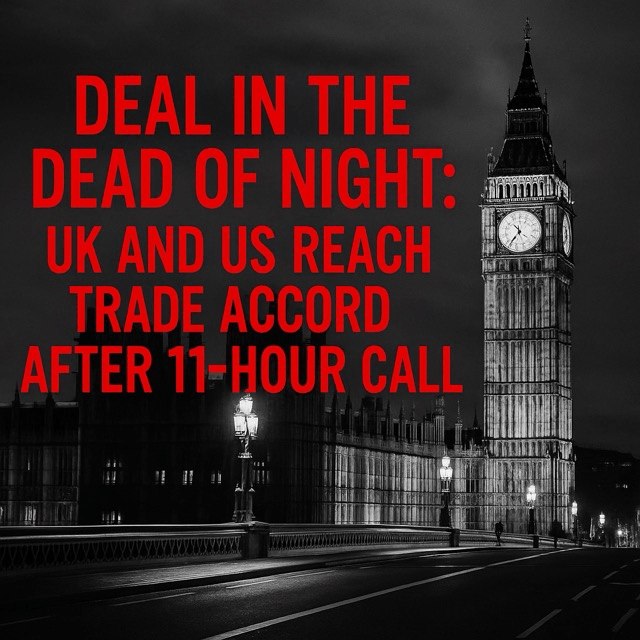
In an extraordinary show of diplomatic endurance, British and American officials concluded an 11-hour phone call with the announcement of a new bilateral trade agreement. The deal, hailed as a breakthrough for both Prime Minister James Talbot and President Elizabeth Warren, comes after months of stalled negotiations and growing economic pressure on both sides of the Atlantic.
The phone marathon, which began late Tuesday evening and stretched into the early hours of Wednesday, involved senior trade officials, legal advisors, and economic strategists from both countries. The agreement covers critical sectors including digital services, automotive trade, pharmaceuticals, and agricultural goods, and seeks to eliminate a host of tariffs and non-tariff barriers that have hindered trade since the UK’s departure from the European Union.
Speaking from 10 Downing Street, Prime Minister Talbot emphasized the strategic importance of the deal. “This agreement marks a new chapter in the UK’s global trade strategy,” he said. “It reflects our shared commitment to fair competition, innovation, and high standards.” Across the Atlantic, President Warren echoed the sentiment, describing the pact as “a forward-looking framework that reflects 21st-century economic priorities.”
The deal includes a clause on digital taxation, resolving one of the most contentious issues that had plagued previous talks. Under the new framework, both countries agree to align their digital tax regimes and support ongoing efforts at the OECD level. It also includes provisions for mutual recognition of standards in pharmaceutical products and fast-tracked regulatory approvals, aimed at reducing costs and ensuring quicker access to medicines.
Perhaps most significantly, the agreement lays the groundwork for a future green trade partnership. Both nations have committed to aligning climate-related trade policies, promoting carbon transparency, and investing in low-emission technologies. This move has been welcomed by climate advocacy groups, although critics remain skeptical about enforcement mechanisms.
The road to this deal has been anything but smooth. Disagreements over agricultural standards, particularly the UK’s resistance to accept hormone-treated beef, had led to several rounds of breakdowns in earlier negotiations. The breakthrough reportedly came when both sides agreed to a phased approach, allowing for limited quotas under strict labeling and traceability rules.
Economists estimate that the deal could boost UK exports to the US by £10 billion over the next five years, while also providing new market access for American firms in the UK’s service sector. Small and medium-sized enterprises (SMEs) are expected to be among the biggest beneficiaries, thanks to simplified customs procedures and enhanced digital trade facilitation.
Opposition leaders in the UK have demanded parliamentary scrutiny before ratification, citing concerns over transparency and environmental safeguards. In the US, the agreement will likely face Congressional review, especially with midterm elections approaching and trade policy becoming a contested issue among voters.
Nonetheless, the deal is being framed as a major diplomatic win for both leaders. With global economic growth slowing and geopolitical tensions rising, a solid transatlantic trade framework offers both countries a degree of economic resilience and strategic alignment.
Whether this agreement sets a new gold standard for modern trade deals or merely represents a temporary political victory remains to be seen. But one thing is certain: in the digital age, even a game-changing trade deal can begin with a phone call—and end at dawn.



 The Tower Post