A Global Initiative Aims to Reduce Vulnerabilities Through Resilience, Adaptation, and Equity
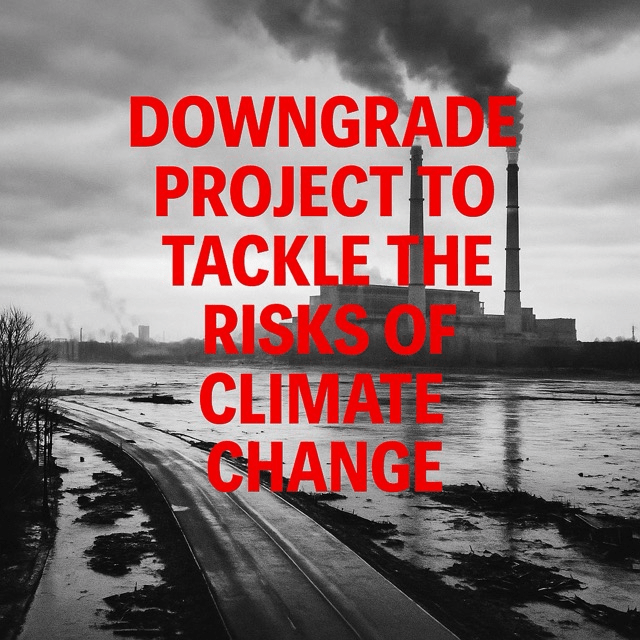
As the planet faces increasingly frequent and severe climate-related disasters, a new global initiative titled the “Downgrade Project” is drawing international attention for its radical, yet pragmatic, approach to addressing the escalating risks posed by climate change. Unlike traditional strategies that focus solely on emissions reduction, the Downgrade Project prioritizes systemic risk reduction, societal adaptation, and equitable resilience.
Launched by a coalition of scientists, urban planners, economists, and policy makers, the Downgrade Project proposes that rather than continuously scaling up economic and infrastructural growth, countries should adopt strategies to “downgrade” certain high-risk practices and systems. This includes shifting away from fossil-fuel intensive industries, decentralizing urban infrastructure, and reducing dependency on global supply chains that are vulnerable to disruption from extreme weather events.
One of the project’s most controversial recommendations involves revisiting GDP growth as a primary national goal. Instead, the project advocates for well-being indicators, ecological health, and climate stability as central policy benchmarks. Critics argue that this could hamper development in poorer nations, but supporters counter that unchecked growth in high-emission sectors is unsustainable and disproportionately harms the Global South.
Pilot programs are already underway in several regions, including coastal Indonesia, sub-Saharan Africa, and flood-prone zones in the southern United States. These efforts involve relocating at-risk populations, redesigning zoning laws, and investing in nature-based solutions like wetland restoration and agroforestry.
The Downgrade Project has garnered backing from global organizations including the UN Development Programme and the Intergovernmental Panel on Climate Change (IPCC). Experts say its emphasis on decentralization and local governance aligns with calls for climate justice and community empowerment.
However, implementing the project’s vision will not be easy. Political resistance, economic inertia, and social inequality present major obstacles. The project’s leaders emphasize the need for international solidarity, inclusive planning, and long-term political commitment to overcome these hurdles.
As the world confronts a rapidly narrowing window to prevent catastrophic warming, the Downgrade Project offers a provocative but increasingly relevant framework. Its central message is clear: in order to survive and thrive in an age of climate volatility, societies must rethink growth, embrace adaptation, and prioritize planetary resilience.




 The Tower Post