A Historic Alliance of Loyalty, Diplomacy, and Cultural Continuity
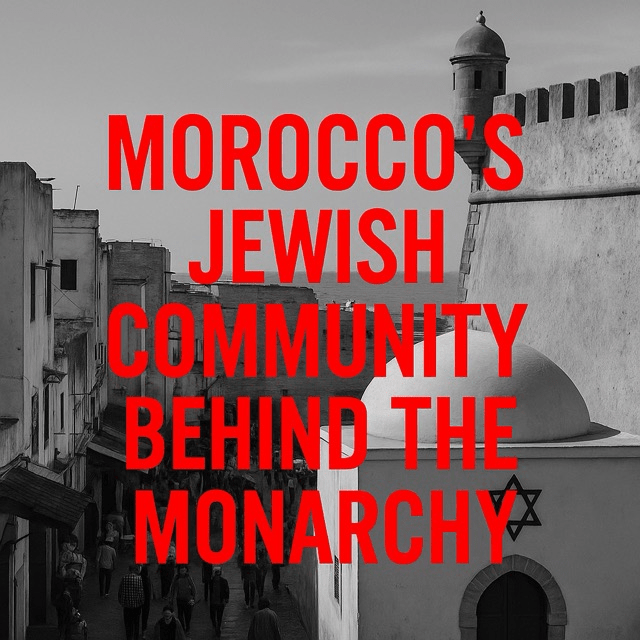
In a region often marked by sectarian divisions and historical tensions, Morocco stands as a unique example of coexistence. At the heart of this dynamic lies the enduring alliance between the Moroccan monarchy and its Jewish community—an alliance that continues to shape domestic unity and international diplomacy in 2025.
Historical Ties
The Jewish presence in Morocco dates back over two thousand years, long before the arrival of Islam. For centuries, Moroccan Jews contributed to commerce, scholarship, and governance. During World War II, King Mohammed V famously resisted Vichy France’s anti-Jewish laws, protecting Moroccan Jews from deportation. This act cemented the monarchy’s image as a protector of Jewish heritage.
Following the establishment of Israel and subsequent Arab-Israeli wars, many Jews emigrated, but strong cultural ties remained. Those who stayed in Morocco maintained a vibrant community, largely centered in Casablanca, Fes, and Marrakesh.
Royal Patronage and Renewed Ties
In recent decades, the monarchy under King Mohammed VI has reinforced its relationship with the Jewish community both at home and abroad. Restoration projects for synagogues and cemeteries, state recognition of Jewish festivals, and the inclusion of Jewish history in Moroccan school curricula all reflect royal endorsement of pluralism.
The normalization of relations with Israel in 2020 under the Abraham Accords further spotlighted this connection. Moroccan Jews in Israel and the diaspora have played diplomatic and economic roles, facilitating bilateral trade, tourism, and strategic alliances between Rabat and Tel Aviv.
Political and Cultural Influence
Despite their small numbers, Moroccan Jews hold significant cultural and political sway. Key Jewish advisors to the monarchy, such as André Azoulay, have long shaped Morocco’s image as a moderate and stable bridge between East and West. Jewish-run businesses and philanthropic foundations continue to support social projects, education, and the preservation of Moroccan heritage.
Synagogues and Jewish museums attract international visitors, while Jewish festivals are now celebrated as part of the country’s national identity. These efforts are not merely symbolic—they serve to project Morocco’s soft power and counter extremism through a narrative of coexistence.
International Implications
The alliance between the monarchy and the Jewish community has strengthened Morocco’s global position. It allows Rabat to act as a mediator between the Arab world and Israel, especially in African and Mediterranean forums. The monarchy’s ability to bridge cultures is increasingly seen as a strategic asset by Western allies, including the United States and France.
Jewish voices in the Moroccan diaspora also serve as unofficial ambassadors, promoting the country’s tolerance and stability in international circles. In a time of geopolitical polarization, Morocco’s Jewish partnership with the monarchy stands out as a model of continuity and mutual respect.
Conclusion
In today’s volatile world, the Moroccan monarchy’s alliance with its Jewish community remains a pillar of national and international policy. Rooted in history and reinforced by modern diplomacy, this unique relationship continues to define Morocco’s identity as a pluralistic and stable kingdom. It is not only a story of protection but of shared destiny.



 The Tower Post